Choosing the right padel racket shape is like choosing your playing partner—it can make or break your game. Whether you’re new to the sport or looking to level up your skills, understanding how racket shape influences power, control, and maneuverability is essential. And no, it’s not just about looks. Each shape—diamond, teardrop, and round—has its own personality on the court.
In this guide, we’ll break down the nuances of each shape, the player types they suit best, and how to pick the one that aligns with your playstyle. Let’s get into it.
Quick Answer:
Diamond-shaped rackets are best for power hitters, round rackets offer superior control and are ideal for beginners, while teardrop rackets strike a balance between power and control, suiting all-around players.
What is the Best Shape for a Padel Racket?
There is no universal “best” shape—only the one that best suits your playstyle.
- Diamond: Ideal for aggressive players seeking explosive smashes.
- Round: Perfect for control, defense, and beginners.
- Teardrop: Ideal for balanced players who seek a balance of power and precision.
Your ideal shape depends on factors like skill level, playing strategy, wrist strength, and whether you play more offensively or defensively.
What Are the Different Shapes of Padel Rackets?
1. Diamond-Shaped Rackets
These rackets have a narrow top and wider bottom, shifting the sweet spot toward the head.
- Pros:
- Maximum power for smashes and overheads
- Heavier head weight adds momentum to shots
- Maximum power for smashes and overheads
- Cons:
- Less control, especially on off-center hits
- Not ideal for beginners due to reduced maneuverability
- Less control, especially on off-center hits
2. Round-Shaped Rackets
Symmetrical and balanced, round rackets place the sweet spot near the center of the face.
- Pros:
- Great control and precision
- Easier to handle and swing
- Larger sweet spot = fewer mishits
- Great control and precision
- Cons:
- Less power on offensive plays
- Less power on offensive plays
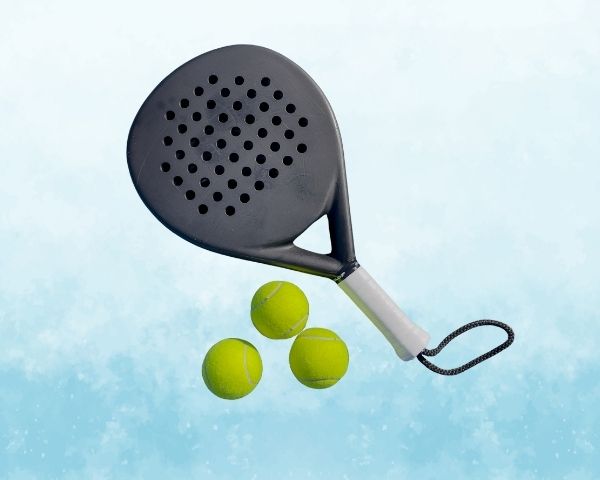
3. Teardrop-Shaped Rackets
As the name suggests, these look like a teardrop, with the sweet spot slightly above the center.
- Pros:
- Excellent balance of power and control
- Versatile and suitable for most players
- Excellent balance of power and control
- Cons:
- May not excel in either power or control compared to dedicated shapes
- May not excel in either power or control compared to dedicated shapes
How Does Racket Shape Affect Performance in Padel?

The shape directly influences balance, sweet spot placement, and overall feel.
- Power: Comes from a higher balance point and reduced control area (common in diamond-shaped rackets).
- Control: Comes from a lower balance and a larger sweet spot (typical of round rackets).
- Hybrid Feel: Teardrop rackets are designed to offer a middle ground.
The way your wrist and arm respond to the racket also changes with shape. A diamond racket will feel top-heavy, while a round one feels more centered and stable.
Buy Padel Rackets:
Which Padel Racket Shape is Best for Beginners?
Round-shaped rackets are the go-to choice for beginners.
Why? Because:
- They have a large sweet spot, making mishits less common.
- They provide greater control, helping new players develop precision.
- They’re typically lighter and more maneuverable.
Starting with a diamond racket can hinder your development due to its demanding play style. Master the basics with a round racket before upgrading.
Is a Teardrop Padel Racket Good for Control or Power?
Both, actually. The teardrop shape is designed to give players a 50-50 blend of power and control.
- The sweet spot is slightly higher than a round racket, giving extra leverage for offensive shots.
- But it’s still low enough to maintain precision and handling.
- This makes it a top choice for intermediate to advanced players who want flexibility.
Think of it as the all-rounder’s racket—neither too hot nor too cold. Just right.
Common Mistakes When Choosing a Padel Racket Shape
Avoid these pitfalls:
- Choosing Based on Looks – Shape trumps color and design.
- Overestimating Your Level – Power rackets aren’t shortcuts to pro performance.
- Ignoring Sweet Spot Size – Smaller sweet spots demand better technique.
- Not Considering Weight Distribution – Head-heavy rackets can strain your wrist if you’re not used to them.
Always try before you buy, if possible.
Who Should Use a Diamond-Shaped Padel Racket?
- Advanced players
- Aggressive attackers
- Players with strong wrists and fast reaction time
- Those who play frequently in the “smash zone” at the net
If you’re confident in your stroke timing and want to dominate the court with power shots, go diamond.
Buy Padel Rackets:
Who Should Use a Round Padel Racket?
- Complete beginners
- Defensive players
- Players who prefer long rallies over quick finishes
- Anyone recovering from wrist or elbow strain
This shape helps you build fundamentals, offering consistency and a wide margin for error.
Buy Round Padel Racket:
Who Should Use a Teardrop Padel Racket?
- Intermediate players who’ve outgrown their beginner racket
- Players who can switch between offense and defense
- Recreational players looking for a reliable “do-it-all” racket
It’s the sweet middle ground, often used in doubles games where roles shift rapidly.
Does Shape Affect Durability or Material Quality?
Not directly. Shape = performance, while material = durability.
However, head-heavy rackets (like diamond) may experience faster wear on the frame due to impact stress. Always pair shape with good-quality materials like carbon fiber or fiberglass for optimal lifespan.
Conclusion: Which Padel Racket Shape Should You Choose?
It all boils down to your experience level and how you like to play.
- Go round if you’re just starting or value precision.
- Go teardrop if you want versatility with some added firepower.
- Go diamond if you’re an experienced, offensive player seeking explosive shots.
Test different shapes if you can. Borrow from a friend. Visit a padel gear store. Because once you find your match, your game will feel smoother, faster, and just more you.
Additional FAQs
Q1. Can a beginner use a teardrop racket?
Yes, especially if they’re athletic and have good hand-eye coordination. But round rackets are generally more forgiving for true beginners.
Q2. What’s more important: shape or weight?
Both matter. Shape affects control/power; weight affects handling and fatigue. Ideally, find the right combo for your style.
Q3. Is racket shape important in doubles padel games?
Very. In doubles, one player may focus on control while the other attacks. Matching racket shape to your role can improve synergy.
Q4. Are hybrid shapes like “diamond-teardrop” real?
Yes, many brands experiment with hybrid designs to blur lines and create more versatile rackets.
Q5. How often should I change my padel racket?
On average, every 1–2 years if you play regularly. But if the frame warps or sweet spot fades, replace it sooner.