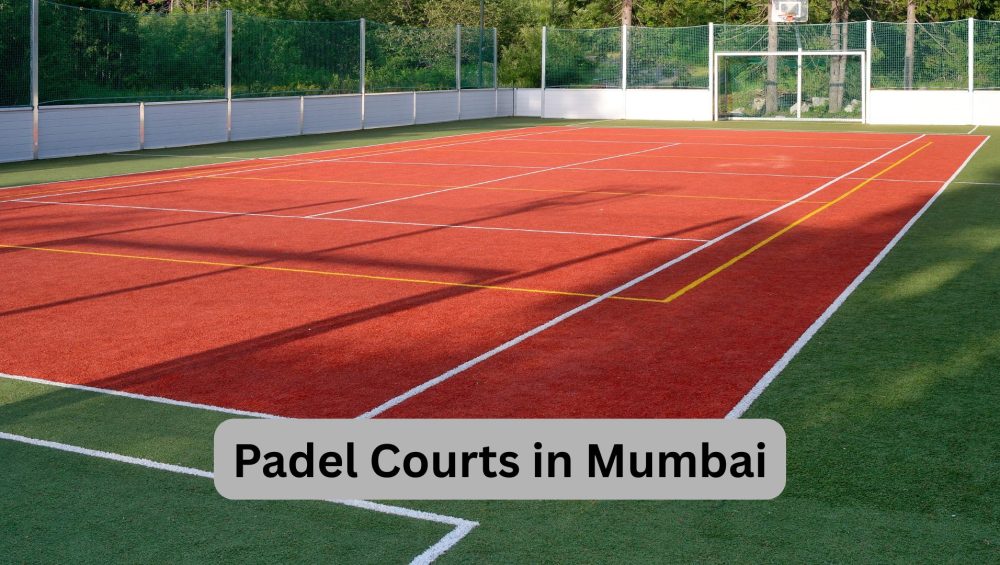
Padel Courts in Mumbai

Top 5 Dedicated Padel Courts in Mumbai | Discover, Book & Play

When you’re ready to swap the treadmill for something truly exhilarating, stepping onto the court of a padel venue in Mumbai can be a game-changer. Whether you’re freewheeling into the sport or chasing down wall-shots like a pro, a good venue sets the mood, the pace, and the quality of every rally. In a bustling city where finding space is half the battle, the right padel court offers both escape and action.

Which Are the Best Padel Courts in Mumbai?

Now we’ll look at each of the five venues in detail—what stands out, what to check, and why you might pick it.

1. Padel Project (Powai)

Here you’ll find a top-tier venue right in Powai’s business/residential blend. It’s located at Supreme Business Park in Hiranandani Gardens.
Why it stands out:

  • Membership and drop-in slots available with good ratings (5.0 from 28 reviews on Justdial).
  • Easily reachable for Powai/Vikhroli/Ghatkopar players.
  • Good for beginners and regulars alike—mentions of well-maintained courts and quality equipment bring trust.
    Best for: Working professionals in central-east Mumbai, groups looking for evening slots, beginners wanting decent facilities.
    Tip: Book early for popular evening slots; mornings may offer quieter conditions.

2. PadelPark Wings (Bandra West)

Located at KC Marg, behind Rangsharda Hotel, Reclamation, Bandra West.
What you’ll get:

  • Prime Bandra West location, ideal if you’re coming from western suburbs.
  • Good reputation for quality service and accessible hours (as per Justdial listing).
    Why it stands out: Bandra is a vibrant social hub—not just for the game but for meeting friends, grabbing a coffee after your session.
    Best for: Social players, after-work games, weekend meet-ups.
    Tip: Parking may be tighter here than in newer suburbs—check the venue’s parking policy ahead.

3. PadelPark Khar (Khar West)

Found inside BPM School, 16th Road, Khar West.
Stand-out factors:

  • An outlet of the brand featured earlier.
  • Convenient for Khar/Andheri West zones; efficient if you live or work nearby.
  • Great for those transitioning to padel from tennis, as many local net-sports players gravitate here.
    Best for: Andheri-Khar region players and weekend casuals.
    Tip: Ask about beginner-friendly slots or group coaching—they may run specials for newbies.

4. Padel 360 (Worli)

Located at Parijat House, LR Papan Marg, Upper Worli.
Why it’s notable:

  • Open hours span 6 AM to 2 AM according to social posts—great for early birds or late night games.
  • Central location—Worli is accessible from many parts of Mumbai.
    Best for: Flexible schedules, corporate groups wanting off-hours courts, serious players training late.
    Tip: Late-night games can be quieter and cheaper—ask about off-peak rates.

5. VPadel Arena (Wadala / Chembur)

Address: 2VJJ+GFF, Ajmera I-Land Road, Wadala East, Bhakti Park, Chembur.
Highlights:

  • Three courts listed here—good size for group bookings or mini-tournaments. 
  • Facility built with a strong “community” mindset (as per their site) and accessible from eastern suburbs.
    Best for: East Mumbai players, team events, group booking with friends.
    Tip: Use their app (if available) for bookings and check if they offer equipment hire for first-time players.

If you’re looking for the top 5 padel courts in Mumbai, they are: Padel Project (Powai), PadelPark Wings (Bandra), PadelPark Khar (Khar), Padel 360 (Worli) and VPadel Arena (Chembur/Wadala). Each offers excellent facilities, convenient booking, and a strong padel community.


Best Padel Rackets:

What Amenities Should You Look For in a Top-Quality Padel Court Venue in Mumbai?

court

Here’s a checklist of amenities that separate good courts from average ones:

  • Surface quality & lighting: High-quality turf/artificial surface and good lighting for evening play.
  • Court booking system: Seamless online/mobile bookings, transparent time-slots and rates.
  • Gear rental: Rackets, balls, shoes (optional) for newcomers.
  • Restrooms/changing rooms: Clean amenities add to comfort especially after work.
    When you visit a venue for the first time, check these. They’ll influence whether you want to come back.

Are There Coaching or Beginner-Friendly Sessions Available at Padel Courts in Mumbai?

Yes — many of these venues actively cater to beginners:

  • They offer introductory coaching, group sessions, or “first-time player” slots.
  • For example, Padel Project’s reviews highlight “knowledgeable trainers” and packages suitable for newcomers.
  • VPadel’s website emphasises “improve your game” and coaches for all levels.
    Why this matters: If you’re new to padel, gear and technique are important. A court that offers coaching means you’ll pick up better skills, faster, and enjoy the game more.
    Tip: Ask for a “trial lesson” or beginner slot, and check what the coach-to-player ratio is (smaller is better for learning).

What Should You Bring & Wear for a Padel Session in Mumbai?

Getting ready is half the fun. Here’s your checklist:

  • Non-marking shoes (preferably indoor court shoes) — helps with grip and protects the surface.
  • Comfortable sports attire — breathable, light.
  • Racket & ball: Some courts rent them; if you’re regular, you may buy your own.
  • Water bottle/towel: Even if court has amenities, better to be prepared.
  • Arrive early: 10–15 minutes ahead is helpful for warm-up and briefing.
  • Buddy or partner: Padel is typically played doubles; if you’ve got a partner you’ll get scheduled easier.
    Tip: Wear light colours if evening; courts can get warm under lights, so breathable fabrics help.

FAQs Before You Book — What to Ask the Venue?

Here are some useful questions to ask when you call or visit a venue:

  • What are the hourly rates for weekdays vs weekends?
  • Are there special rates for off-peak (early morning/late night)?
  • Is gear rental included or extra (racket, balls)?
  • Are coaching sessions available? What cost and schedule?
  • How many courts are there and are they all the same quality?
  • What’s the booking cancellation policy?
  • Is there parking available?
  • Are there membership packages? What are the perks?
  • What’s the best time (less crowd) to book for a smooth game?

How to Get the Most Out of Your Padel Session — Tips & Etiquette

  1. Warm-up properly: few minutes of light jog + dynamic stretches; padel uses quick lateral moves.
  2. Communicate with your partner: double play means you coordinate positions, who takes lobs etc.
  3. Respect court rules: closing time, behaviour, wall use — helps maintain venue goodwill.
  4. Rotate players responsibly: if you finish early or someone’s late, don’t hog the court.
  5. Book ahead: Popular slots fill fast—especially evenings.
  6. Stay hydrated & cool: Mumbai humidity hits even indoor/covered courts.
  7. Ask for feedback/coaching: If you’re serious, a short lesson or drills pay big returns.

Why Padel in Mumbai Is Growing Fast 

The racket sport that blends tennis and squash (i.e., padel) is rapidly gaining traction in India, especially in urban centres like Mumbai.
What this means for you:

  • More venues → more options and flexible timings.
  • More coaching and social events → easier to meet fellow players and improve.
  • Competitive pricing starts emerging as supply increases.
  • The sport’s popularity means it’s not just a game—it’s a community, a fitness choice, a social outing.
    Implication: If you start now, you’ll benefit both from the novelty and from the growth trend.

Conclusion

Mumbai’s padel scene has arrived — and it’s vibrant, accessible, and fun. Whether you’re a beginner looking to pick up a new racket sport or a seasoned player aiming for serious rallies, the five courts we’ve covered offer excellent environments. Choose the venue that fits your schedule, location and level. Book your slot, show up, gear up, and let the game begin.

Additional FAQs

Q1: Is padel suitable for all age groups?
Yes — padel is very inclusive because the movement area is smaller than a tennis court, the pace is fun yet intensive, and beginners find it easier to pick up than tennis.

Q2: Do I need to own a special racket for padel?
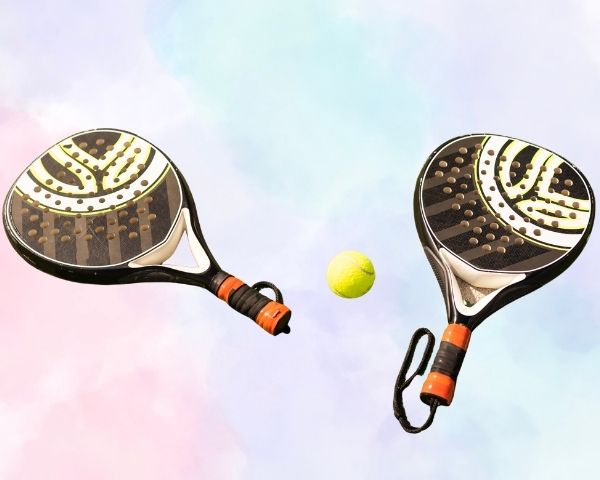
You can rent a racket at most venues. If you play regularly, you might invest in your own padel racket (solid face, no strings). Ensure good grip and suitable weight.

Q3: What type of footwear should I use?
Use tennis/indoor court shoes with non-marking soles and good lateral support. Avoid big running shoes or street sneakers which may not give proper grip or may damage court surfaces.

 

Racket Brands

Graphite vs Composite Pickleball Rackets: Full Guide

If you’ve recently stepped into the fast-paced world of pickleball, you’ve probably realized how big of a difference the right paddle can make. The debate between graphite vs. composite pickleball paddles has become one of the most talked-about topics in the community — and for good reason.

Choosing your paddle isn’t just about brand or price. It’s about how the paddle feels in your hand, how it responds to your shots, and how it matches your playing style.

Quick Answer:

Graphite paddles are lightweight, fast, and offer superior touch and control — ideal for finesse players.
Composite paddles provide more power, spin, and forgiveness — perfect for players who like aggressive, versatile play.

Understanding the Basics: What Makes a Paddle Different?

Every pickleball paddle has three main components that define its performance:

  1. Face material (surface) – graphite or composite

  2. Core material (usually polymer, Nomex, or aluminum)

  3. Weight and grip size

Your paddle’s surface is where the magic happens — it determines how much control, power, and spin you can generate. That’s why the graphite vs. composite decision is so important.

What Is a Graphite Pickleball Paddle?

Graphite paddles use an extremely thin layer of graphite (carbon fiber) on the paddle face.
This material is both lightweight and rigid, giving players precise control and quick reactions at the net.

Characteristics of Graphite Paddles:

  • Extremely lightweight (7.0–7.8 oz)

  • Responsive and fast off the paddle face

  • Great for “touch” shots and quick volleys

  • Durable outer layer that resists dents and scratches

Graphite paddles are often the choice for players who rely on placement, control, and reflex volleys, rather than sheer power.

What Is a Composite Pickleball Paddle?

Composite paddles combine multiple materials — typically fiberglass, carbon fiber blends, or resin-infused fabrics — over a polymer or Nomex core.

This hybrid construction gives them a blend of power and spin, often with a slightly rougher texture that grips the ball more effectively.

Characteristics of Composite Paddles:

  • Heavier (7.5–8.5 oz on average)

  • Excellent for power shots and top-spin

  • Larger “sweet spot” for forgiving play

  • Great for players who like versatility and impact

Composite paddles have a more dynamic feel — they deliver noticeable pop without sacrificing too much control.

Which Paddle Gives More Power — Graphite or Composite?

Composite paddles generate more power due to their flexible face and heavier weight.
The composite material allows for a longer dwell time — meaning the ball stays on the paddle face a split second longer, which translates to stronger, deeper shots.

If you’re someone who enjoys driving the ball past your opponents or adding spin, composite paddles deliver that extra punch you’re looking for.

Which Paddle Offers Better Control?

If precision and placement are your strengths, graphite paddles reign supreme.
Their rigid face gives you a consistent feel and a clean contact point for dinks, drop shots, and volleys.

This is why many experienced players prefer graphite paddles when playing in fast-paced doubles — they need the control to execute delicate net shots without overhitting.

Which Pickleball Paddle Is Best for Beginners?

For beginners, a composite paddle is often the better choice.
Here’s why: it has a larger sweet spot and offers more forgiveness on off-center hits. This makes it easier to keep the ball in play, especially when you’re still learning stroke consistency.

That said, if you naturally have good coordination or a tennis background, you may find graphite paddles more intuitive from the start.

Do Professional Pickleball Players Use Graphite or Composite Paddles?

Most professional players use graphite paddles — or advanced carbon-fiber variants — because they value touch, precision, and control.
Graphite gives them the ability to control the ball’s trajectory even under pressure.

However, some pros who rely on power and spin-heavy games (especially in singles) choose composite or hybrid paddles. The choice often depends on playing style and personal feel, not just brand or hype.

How Do I Choose Between Graphite and Composite Pickleball Paddles?

Choosing the right paddle depends on your style, goals, and comfort.

Ask yourself:

  • Do I play close to the net or at the baseline?

  • Do I prefer finesse or power shots?

  • Is quick reaction or strong follow-through more my strength?

If you answered “yes” to control and net play → choose Graphite.
If you answered “yes” to power and spin → go Composite.

The Feel Factor: Sound, Feedback, and Comfort

Each paddle type has its own acoustic personality and feedback feel:

  • Graphite: Crisper “pop” sound, instant feedback, more control-oriented.

  • Composite: Softer “thud,” less vibration, more forgiving on off-hits.

Players who enjoy the “connected” feeling with the ball often prefer graphite. Those who want a smooth, forgiving response love composite.

Spin Potential and Surface Texture

Composite paddles generally have more textured surfaces, allowing players to grip the ball longer and create more spin.
Graphite paddles are smoother and emphasize flat, controlled shots rather than spin-heavy play.

If you’re a player who loves to “shape” the ball or add tricky spins, composite gives you that edge.

13. Durability and Longevity

Both types are durable, but graphite paddles have an edge when it comes to surface longevity — the graphite sheet doesn’t wear down as quickly.
Composite paddles, especially fiberglass ones, may show surface scuffs or texture loss over time with heavy use.

That said, the core of the paddle (polymer or Nomex) often determines total lifespan more than the face material.

Maintenance and Care Tips

Both paddle types require simple care to maintain performance:

  • Wipe the face with a damp microfiber cloth after each game.

  • Avoid leaving it in extreme heat (like inside a car).

  • Use a paddle cover to prevent surface scratches.

  • Check grip wear and replace tape regularly for better control.

Proper care can extend your paddle’s life significantly, whether it’s graphite or composite.

Hybrid Paddles — The Best of Both Worlds?

Modern brands now offer hybrid paddles combining graphite’s control with composite’s spin. These are often marketed as “carbon-fiber composite” paddles and are rapidly gaining popularity among advanced players.

They’re great for those who want balance — quick response without sacrificing hitting power.

Conclusion

When it comes to graphite vs. composite pickleball paddles, there’s no one-size-fits-all winner. It’s about how you play, not just what you play with.

Graphite gives you refined control and lightning-quick responses, while composite gives you bold power and confidence from the backcourt.

So whether you’re chasing victory in tournaments or just enjoying casual weekend games — your perfect paddle isn’t just equipment. It’s your signature style on the court.


Pickleball Racket Size Guide: Weight, Grip & Shape Explained

Pickleball may be one of the fastest-growing sports, but choosing the right racket can feel overwhelming. Size, grip, weight, and shape all play crucial roles in how you perform on the court. Think of it like shoes—wear the wrong size, and you’ll never play comfortably. The same goes for your pickleball racket.

This guide breaks down everything you need to know about racket size, grip, and shape so you can play better, avoid injuries, and enjoy the game even more.

Importance of Choosing the Right Racket


The racket isn’t just a tool—it’s your playing partner. The right one helps you:

  • Generate controlled shots with less effort 
  • Prevent strain on your wrists and elbows 
  • Stay comfortable during long games 

A poorly sized racket, on the other hand, can limit your potential and even cause injuries like tennis elbow.

Pickleball Racket Weight

Weight is the first thing most players notice. It affects your swing speed, power, and endurance.

Lightweight Rackets 

  • Easy to maneuver 
  • Great for quick reactions at the net 
  • Ideal for players who prefer control and spin 
  • Perfect for beginners or those with arm injuries 

Midweight Rackets 

  • Balanced between power and control 
  • Suitable for most players 
  • Comfortable for both beginners and intermediate players 

Heavy Rackets 

  • Deliver more power with less effort 
  • Provide stability during smashes 
  • Can cause arm fatigue if used for long periods 
  • Best for experienced players with strong arms 

Grip Size Explained

Grip size is often overlooked, but it’s one of the most important factors. A grip that’s too small can overwork your wrist, while one that’s too big can limit your control.

How to Measure Grip Size

  • Ruler Method: Measure from the tip of your ring finger to the middle crease of your palm. 
  • Index Finger Test: Hold the racket; if you can fit your index finger between your fingers and palm, the grip size is right. 

Small Grips (4–4.125 inches)

  • Enhance wrist movement 
  • Allow for more spin 
  • Better for smaller hands 

Medium Grips (4.25–4.375 inches)

  • Balance between control and comfort 
  • Suitable for most players 

Large Grips (4.5–4.75 inches)

  • Reduce wrist strain 
  • Increase stability 
  • Ideal for players with bigger hands 

Pickleball Racket Shapes

The shape of your racket can change your playstyle dramatically.

Standard Shape

  • Balanced power and control 
  • Great for beginners 

Elongated Shape

  • More reach for shots 
  • Better suited for advanced players looking for power 

Widebody Shape

  • Larger sweet spot 
  • Offers more forgiveness 
  • Perfect for accuracy and defensive play 

Racket Core Materials

The material inside the paddle, or core, changes how it feels.

  • Polymer: Quiet, durable, great for control 
  • Nomex: Hard and powerful, but louder 
  • Aluminum: Lightweight, good control, less power 

Surface Materials

The outer surface affects spin and touch.

  • Graphite: Lightweight, quick response 
  • Fiberglass: More power, good pop 
  • Carbon Fiber: Durable, balanced performance 

How Weight, Grip & Shape Work Together

Think of your racket like a recipe. Each ingredient—weight, grip, and shape—must be balanced. A lightweight elongated racket might suit a defensive player, while a heavy widebody with a large grip works for power-focused players.

Beginner’s Guide to Selecting a Racket

  • Start with a midweight racket for balance 
  • Choose a medium grip if unsure about hand size 
  • Stick with a standard shape until you refine your style 
  • Avoid extremes in weight and size 

Advanced Player Considerations

Experienced players often experiment with weight distribution, edge guards, and grip wraps to fine-tune their rackets. Small adjustments can create big performance differences at competitive levels.

Maintenance Tips for Pickleball Rackets

  • Wipe the surface regularly 
  • Replace worn-out grips for comfort 
  • Avoid leaving it in hot cars or damp places 

Common Myths About Racket Size

  • Heavier = More Power Always? Not true; technique matters just as much. 
  • Bigger Grip = No Injuries? Wrong; oversized grips can cause elbow pain. 
  • Shape Doesn’t Matter? It does—different shapes suit different playstyles. 

Conclusion

Your pickleball racket is more than just equipment—it’s an extension of your playing style. By understanding weight, grip size, and shape, you’ll be able to pick a racket that not only feels right but also improves your game. Whether you’re a beginner learning the ropes or an advanced player refining your skills, the right racket can transform your experience on the court.

FAQs

  1. What weight racket is best for beginners?
    A midweight racket (7.3–8.4 oz) is the safest choice since it balances power and control.
  2. Can I change my grip size later?
    Yes, you can add grip tape or overgrips to slightly increase size, but reducing it isn’t possible.
  3. Is a lightweight racket bad for power?
    Not necessarily—lightweight rackets sacrifice some power but provide more control and faster reactions.


Racket Care & Maintenance

Racket Care & Maintenance: Extend the Life of Your Pickleball and Padel Gear

Why Racket Care Matters?

Keeping your pickleball or padel racket in top shape isn’t just about appearances — it’s about performance and saving money. You wouldn’t drive a car without oil changes, right? Think of racket care the same way.

Preserve Performance

A well-maintained racket offers better grip, cleaner shots, and more power. A dirty or worn-out paddle? That’s like playing with a flat tire.

Save Money in the Long Run

Replacing rackets can be expensive. But with a little regular maintenance, you can squeeze a lot more life out of your current gear.

Racket’s Material

Before you start scrubbing away, know what you’re working with.

Common Racket Materials in Pickleball and Padel

Most pickleball paddles are made of composite, graphite, or polymer materials. Padel rackets often use carbon fiber, fiberglass, or EVA foam. Each has its own care requirements.

How Materials Impact Maintenance Needs

Graphite and carbon fiber need gentle cleaning. EVA foam in padel rackets can degrade faster if exposed to water or extreme temperatures.

How Materials Impact Maintenance Needs

Step-by-Step Guide to Cleaning the Frame and Grip of Racket

  1. Remove the overgrip if you use one.

  2. Use a damp cloth (not wet!) with mild soap to clean the paddle surface.

  3. Dry immediately with a clean towel.

  4. Use alcohol wipes for the grip (unless leather).

  5. Let everything air out before storing.

Grip Care and Replacement

Let’s face it—grips get gross.

Signs Your Grip Needs Replacing

If it feels slippery, cracked, or smells funky… it’s time. Also, when you lose that “tacky” feel, performance suffers.

How to Replace the Grip Properly

Unwrap the old grip, clean the handle, and carefully apply the new grip from the butt of the handle upward, overlapping evenly.

Choosing the Right Overgrip

Look for sweat-absorbent, tacky options that match your playing style. Some prefer extra cushioning, while others want a thin layer for more feedback.

Paddle Face Protection

Paddle Face Protection

Using Edge Guards and Paddle Covers

Edge guards protect against drops and scrapes. Paddle covers add another layer of defense—especially during travel.

Avoiding Scratches and Chips

Never lean your racket against chain-link fences or rough surfaces. Always place it on soft, non-abrasive areas.

When to Retire Your Racket

All good things come to an end. Cracks in the frame, a rattling core, or permanent warping? That’s your racket saying, “I’m done.”

If your shots feel dull or off—even after replacing the grip and cleaning—it might be time to invest in a new one.

Professional Maintenance

Sometimes DIY isn’t enough. If you notice unusual sounds, structural weaknesses, or need re-gripping help, a pro shop can save your gear from early retirement.

How Maintenance Affects Gameplay

It’s not just about looks.

Control, Spin, and Power Depend on Condition

A clean paddle face grips the ball better, giving you more spin and control. A tacky grip lets you swing confidently without slips.

Psychological Edge of Using Well-Cared Gear

There’s something mentally powerful about using gear that looks and feels sharp. It boosts confidence, and that reflects in your game.

Conclusion

Racket care isn’t rocket science, it’s just good sportsmanship. A little love goes a long way in keeping your pickleball and padel gear tournament-ready, saving you money and improving your performance. Think of maintenance as part of your training routine, and your gear will thank you every game.

FAQs

1. How often should I replace my racket grip?

Every 2–4 weeks for regular players, or as soon as it feels slippery or worn out.

2. Can I use water to clean my racket?

Yes, but lightly dampen the cloth—never soak the racket.

3. What’s the best way to store my racket during off-season?

Clean it, dry it, replace the grip, and keep it in a dry, temperature-controlled closet.

4. Is there a difference between pickleball and padel maintenance?

Yes. Padel rackets wear differently and often need more edge protection due to wall impacts.


Padel vs Pickleball

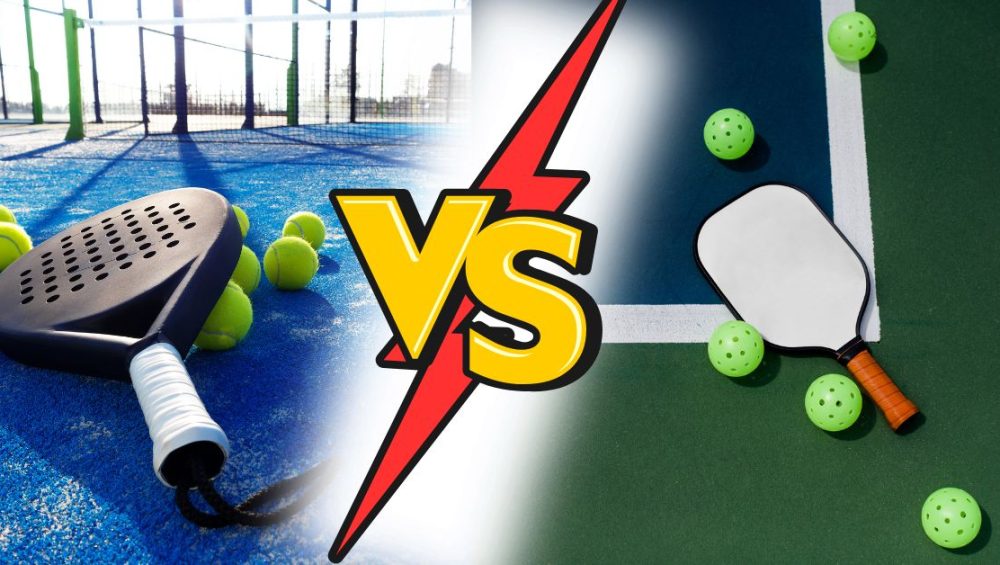
Padel vs Pickleball: What’s the Difference?

Introduction to the Racket Sports Boom

You’ve probably heard the buzz—everyone’s raving about padel and pickleball. These two fast-growing racket sports have taken the fitness and fun world by storm. But wait… what even are they? And which one should you be playing?

Let’s break it all down in this full-blown guide to Padel vs Pickleball—their rules, gear, pros and cons, and everything in between.

What is Padel?

padel

Brief History of Padel

Padel originated in Mexico in the 1960s and spread quickly across Spain and South America. Today, it’s one of the fastest-growing sports in Europe.

Basic Rules of Padel

It’s played in doubles (2v2), using solid rackets. The game begins with an underhand serve, and the ball can bounce off glass walls, making for some wild rallies.

Padel Court and Equipment Overview

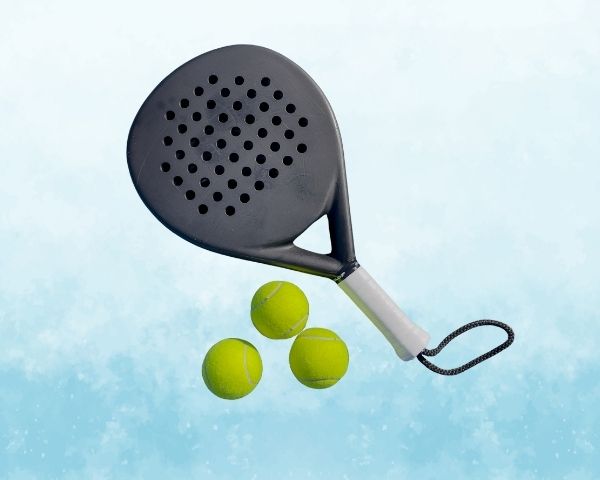
The padel court is enclosed and smaller than a tennis court. It uses walls like squash, and the gear includes a solid padel racket and a low-compression tennis ball.

Buy Padel Online:

  • Babolat Air Veron Padel Bat
  • Bolt 2025 Padel Tennis racket

And more…

What is Pickleball?

What is Pickleball

Origins of Pickleball

Born in the USA in the 1960s, pickleball was created as a fun backyard game using table tennis paddles and a plastic ball.

Core Rules and Gameplay

Pickleball is played with either two (singles) or four players (doubles). The game starts with an underhand serve, and there’s a non-volley zone (aka “the kitchen”) near the net to avoid smashes.

Court Setup and Equipment

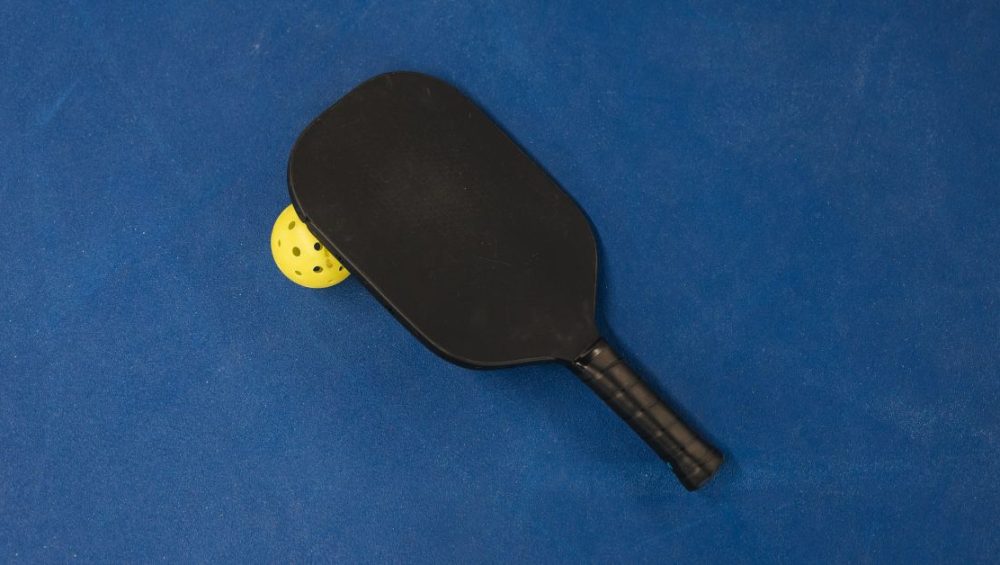
The court is about one-third the size of a tennis court. You’ll need a pickleball paddle and a perforated plastic ball.

Buy Pickleball Accessories:

  • Sanwei Red Pickleball Set
  • Franklin Tour Dynasty Pickleball racket
  • Radical Pro Head 

And many more…

Key Differences Between Padel and Pickleball

Court Size and Structure

  • Padel: Enclosed court with walls, approx. 20m x 10m

  • Pickleball: Open court, 13.4m x 6.1m

Type of Ball Used

  • Padel: Pressurized tennis ball

  • Pickleball: Hard plastic ball with holes

Playing Equipment

  • Padel: Uses a stringless racket

  • Pickleball: Uses a solid paddle

Scoring System

  • Padel: Traditional tennis scoring (15, 30, 40)

  • Pickleball: First to 11 points, win by 2

Number of Players

  • Padel: Almost always doubles

  • Pickleball: Both singles and doubles are common

Playing Surface and Boundaries

court

  • Padel: Bounce off glass walls allowed

  • Pickleball: Ball must stay within court lines, no walls

Similarities Between Padel and Pickleball

Both sports are social, strategic, and loads of fun. They’re also:

  • Easier to learn than tennis

  • Often played in doubles

  • Great for all ages

Health and Fitness Benefits of Both Sports

Want to get fit without spending hours at the gym? These sports are your answer.

  • Cardio Boost: Constant movement keeps your heart rate up

  • Sharp Reflexes: Fast-paced gameplay enhances reaction time

  • Low-Impact: Less strain on joints compared to tennis or running

Which One is Easier for Beginners?

Pickleball wins here. The smaller court and lighter ball mean less running and easier coordination. That said, padel is a blast once you get the hang of wall bounces.

Which One Offers More Competitive Play?

If you’re all about fast volleys and insane angles, padel is more intense. But pickleball has a deep strategic layer too, especially at advanced levels.

Gear You Need to Get Started

gears

Padel Gear (Check out Caxton Sports)

  • Padel Rackets – Durable, lightweight, and designed for power

  • Shoes – With strong grip for quick lateral movements

  • Balls – Pressurized for ideal bounce

Pickleball Starter Kits

  • Paddle sets

  • Indoor and outdoor balls

  • Carry bags and accessories

Conclusion

Whether you’re smashing the ball off a wall in padel or dinking it across the net in pickleball, one thing’s clear—both sports are here to stay. The best part? You don’t need to pick one. Try both and see what serves your style best.

Ready to get started? Explore beginner-friendly padel rackets and pickleball paddles on Caxton Sports and gear up for your next match!

FAQs

  1. What’s more popular in India, padel or pickleball?
    Pickleball is gaining faster traction due to lower setup costs, but padel has a stronger fan base in metro cities.
  2. Can I use the same paddle for both sports?
    Nope! Padel uses a racket with different specs. Pickleball uses a solid paddle.
  3. Is padel harder than pickleball?
    Yes, slightly. Padel has more complex movements and wall bounces.
  4. Are both sports suitable for kids?
    Absolutely! Both sports are fun, safe, and great for physical development.
  5. Which sport burns more calories?
    Padel tends to burn more due to the larger court and intense rallies.