
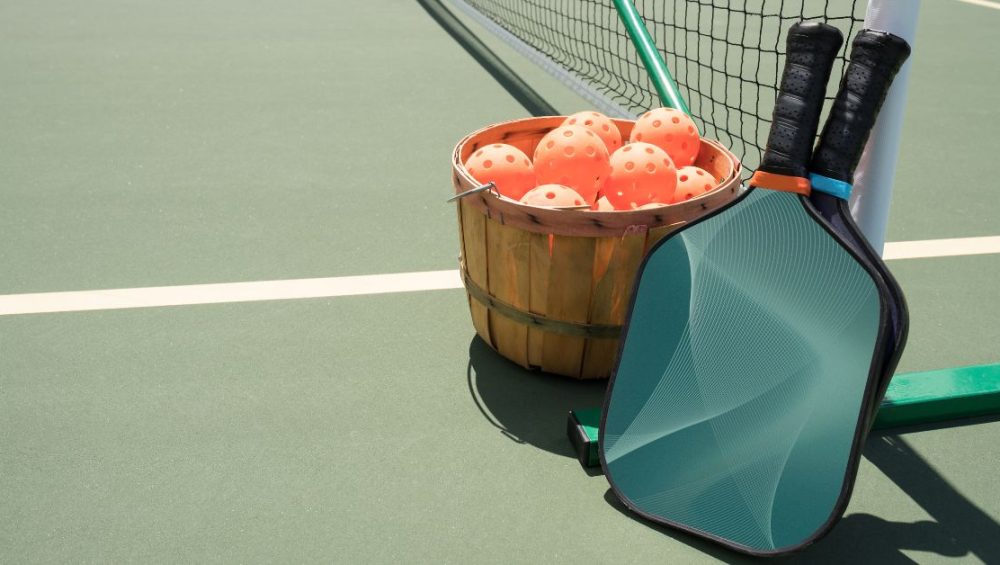
Pickleball may be one of the fastest-growing sports, but choosing the right racket can feel overwhelming. Size, grip, weight, and shape all play crucial roles in how you perform on the court. Think of it like shoes—wear the wrong size, and you’ll never play comfortably. The same goes for your pickleball racket.
This guide breaks down everything you need to know about racket size, grip, and shape so you can play better, avoid injuries, and enjoy the game even more.
Importance of Choosing the Right Racket
The racket isn’t just a tool—it’s your playing partner. The right one helps you:
- Generate controlled shots with less effort
- Prevent strain on your wrists and elbows
- Stay comfortable during long games
A poorly sized racket, on the other hand, can limit your potential and even cause injuries like tennis elbow.
Pickleball Racket Weight
Weight is the first thing most players notice. It affects your swing speed, power, and endurance.
Lightweight Rackets
- Easy to maneuver
- Great for quick reactions at the net
- Ideal for players who prefer control and spin
- Perfect for beginners or those with arm injuries
Midweight Rackets
- Balanced between power and control
- Suitable for most players
- Comfortable for both beginners and intermediate players
Heavy Rackets
- Deliver more power with less effort
- Provide stability during smashes
- Can cause arm fatigue if used for long periods
- Best for experienced players with strong arms
Grip Size Explained
Grip size is often overlooked, but it’s one of the most important factors. A grip that’s too small can overwork your wrist, while one that’s too big can limit your control.
How to Measure Grip Size
- Ruler Method: Measure from the tip of your ring finger to the middle crease of your palm.
- Index Finger Test: Hold the racket; if you can fit your index finger between your fingers and palm, the grip size is right.
Small Grips (4–4.125 inches)
- Enhance wrist movement
- Allow for more spin
- Better for smaller hands
Medium Grips (4.25–4.375 inches)
- Balance between control and comfort
- Suitable for most players
Large Grips (4.5–4.75 inches)
- Reduce wrist strain
- Increase stability
- Ideal for players with bigger hands
Pickleball Racket Shapes
The shape of your racket can change your playstyle dramatically.
Standard Shape
- Balanced power and control
- Great for beginners
Elongated Shape
- More reach for shots
- Better suited for advanced players looking for power
Widebody Shape
- Larger sweet spot
- Offers more forgiveness
- Perfect for accuracy and defensive play
Racket Core Materials
The material inside the paddle, or core, changes how it feels.
- Polymer: Quiet, durable, great for control
- Nomex: Hard and powerful, but louder
- Aluminum: Lightweight, good control, less power
Surface Materials
The outer surface affects spin and touch.
- Graphite: Lightweight, quick response
- Fiberglass: More power, good pop
- Carbon Fiber: Durable, balanced performance
How Weight, Grip & Shape Work Together
Think of your racket like a recipe. Each ingredient—weight, grip, and shape—must be balanced. A lightweight elongated racket might suit a defensive player, while a heavy widebody with a large grip works for power-focused players.
Beginner’s Guide to Selecting a Racket
- Start with a midweight racket for balance
- Choose a medium grip if unsure about hand size
- Stick with a standard shape until you refine your style
- Avoid extremes in weight and size
Advanced Player Considerations
Experienced players often experiment with weight distribution, edge guards, and grip wraps to fine-tune their rackets. Small adjustments can create big performance differences at competitive levels.
Maintenance Tips for Pickleball Rackets
- Wipe the surface regularly
- Replace worn-out grips for comfort
- Avoid leaving it in hot cars or damp places
Common Myths About Racket Size
- Heavier = More Power Always? Not true; technique matters just as much.
- Bigger Grip = No Injuries? Wrong; oversized grips can cause elbow pain.
- Shape Doesn’t Matter? It does—different shapes suit different playstyles.
Conclusion
Your pickleball racket is more than just equipment—it’s an extension of your playing style. By understanding weight, grip size, and shape, you’ll be able to pick a racket that not only feels right but also improves your game. Whether you’re a beginner learning the ropes or an advanced player refining your skills, the right racket can transform your experience on the court.
FAQs
- What weight racket is best for beginners?
A midweight racket (7.3–8.4 oz) is the safest choice since it balances power and control. - Can I change my grip size later?
Yes, you can add grip tape or overgrips to slightly increase size, but reducing it isn’t possible. - Is a lightweight racket bad for power?
Not necessarily—lightweight rackets sacrifice some power but provide more control and faster reactions.


