
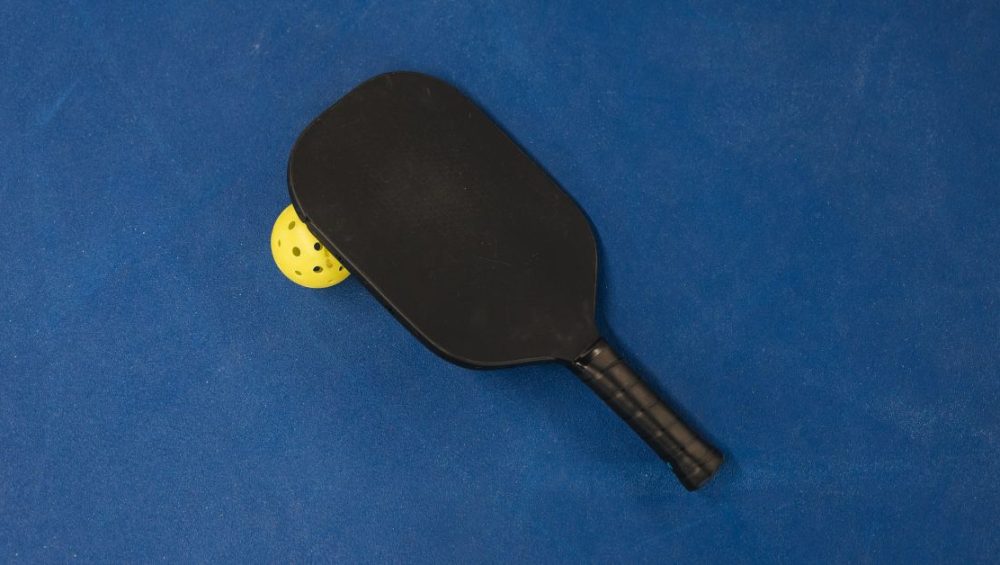
Why Racket Care Matters?
Keeping your pickleball or padel racket in top shape isn’t just about appearances — it’s about performance and saving money. You wouldn’t drive a car without oil changes, right? Think of racket care the same way.
Preserve Performance
A well-maintained racket offers better grip, cleaner shots, and more power. A dirty or worn-out paddle? That’s like playing with a flat tire.
Save Money in the Long Run
Replacing rackets can be expensive. But with a little regular maintenance, you can squeeze a lot more life out of your current gear.
Racket’s Material
Before you start scrubbing away, know what you’re working with.
Common Racket Materials in Pickleball and Padel
Most pickleball paddles are made of composite, graphite, or polymer materials. Padel rackets often use carbon fiber, fiberglass, or EVA foam. Each has its own care requirements.
How Materials Impact Maintenance Needs
Graphite and carbon fiber need gentle cleaning. EVA foam in padel rackets can degrade faster if exposed to water or extreme temperatures.
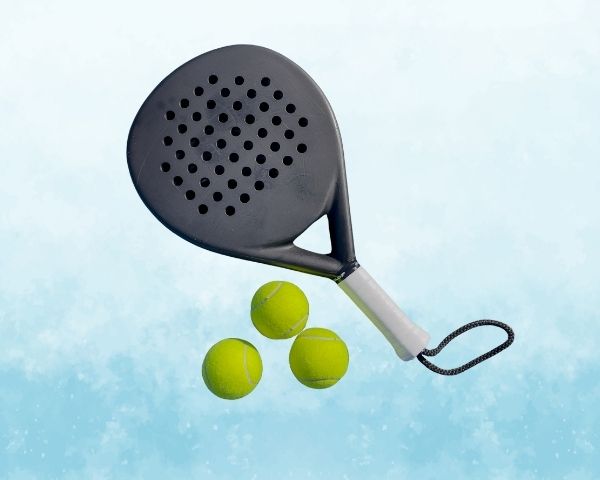
Step-by-Step Guide to Cleaning the Frame and Grip of Racket
- Remove the overgrip if you use one.
- Use a damp cloth (not wet!) with mild soap to clean the paddle surface.
- Dry immediately with a clean towel.
- Use alcohol wipes for the grip (unless leather).
- Let everything air out before storing.
Grip Care and Replacement
Let’s face it—grips get gross.
Signs Your Grip Needs Replacing
If it feels slippery, cracked, or smells funky… it’s time. Also, when you lose that “tacky” feel, performance suffers.
How to Replace the Grip Properly
Unwrap the old grip, clean the handle, and carefully apply the new grip from the butt of the handle upward, overlapping evenly.
Choosing the Right Overgrip
Look for sweat-absorbent, tacky options that match your playing style. Some prefer extra cushioning, while others want a thin layer for more feedback.
Paddle Face Protection
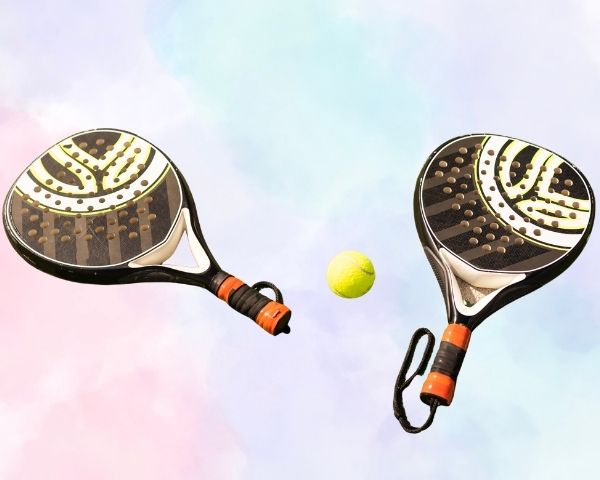
Using Edge Guards and Paddle Covers
Edge guards protect against drops and scrapes. Paddle covers add another layer of defense—especially during travel.
Avoiding Scratches and Chips
Never lean your racket against chain-link fences or rough surfaces. Always place it on soft, non-abrasive areas.
When to Retire Your Racket
All good things come to an end. Cracks in the frame, a rattling core, or permanent warping? That’s your racket saying, “I’m done.”
If your shots feel dull or off—even after replacing the grip and cleaning—it might be time to invest in a new one.
Professional Maintenance
Sometimes DIY isn’t enough. If you notice unusual sounds, structural weaknesses, or need re-gripping help, a pro shop can save your gear from early retirement.
How Maintenance Affects Gameplay
It’s not just about looks.
Control, Spin, and Power Depend on Condition
A clean paddle face grips the ball better, giving you more spin and control. A tacky grip lets you swing confidently without slips.
Psychological Edge of Using Well-Cared Gear
There’s something mentally powerful about using gear that looks and feels sharp. It boosts confidence, and that reflects in your game.
Conclusion
Racket care isn’t rocket science, it’s just good sportsmanship. A little love goes a long way in keeping your pickleball and padel gear tournament-ready, saving you money and improving your performance. Think of maintenance as part of your training routine, and your gear will thank you every game.
FAQs
1. How often should I replace my racket grip?
Every 2–4 weeks for regular players, or as soon as it feels slippery or worn out.
2. Can I use water to clean my racket?
Yes, but lightly dampen the cloth—never soak the racket.
3. What’s the best way to store my racket during off-season?
Clean it, dry it, replace the grip, and keep it in a dry, temperature-controlled closet.
4. Is there a difference between pickleball and padel maintenance?
Yes. Padel rackets wear differently and often need more edge protection due to wall impacts.


