Best Padel Shoes 2026

Best Padel Shoes 2026: Top Picks for Grip, Comfort & Speed

Finding the top padel shoes can instantly upgrade your performance, whether you’re defending a tough volley, sprinting forward, or pivoting aggressively on the court. The right pair gives you grip, stability, cushioning, and that extra confidence boost that lets you play harder and react faster.

Padel courts demand shoes built for quick lateral movements, sudden direction changes, and high agility. If you’re using the wrong footwear, you’re not just losing traction—you’re risking injuries too.

Before we dive into the best padel shoes of 2025, let’s quickly answer what most players want to know.

The top padel shoes for 2025 are those that offer superior grip, durable outsoles, excellent lateral stability, and lightweight cushioning—top picks include the NOX AT10 Series, Babolat Jet Premura 2, and the ML10 Hexa for advanced players.

What shoes are best for padel?

The best padel shoes are the ones designed specifically for multi-directional movements, with excellent grip patterns and reinforced lateral support. Shoes like the NOX AT10 LUX, Babolat Jet Premura 2, and NOX ML10 Hexa are consistently rated top-tier for stability, comfort, and performance.

These models are engineered with non-marking soles, aggressive traction, breathable uppers, and shock-absorbing cushioning—everything a padel player needs to move fast and stay injury-free.

Top Padel Shoes You Should Buy

Below are the absolute best shoes currently dominating the courts—high-performance, trusted by pros, and engineered with premium materials.

1. NOX AT10 Lux White & Grey – The Perfect All-Round Padel Shoe

If you want a shoe that balances comfort, stability, and elegance, the NOX AT10 Lux White/Grey is a winner.

Why It’s One of the Best:

  • Exceptional lateral stability that keeps your ankles protected

  • AGG outsole technology for unbeatable traction

  • Ultra-comfortable interior lining that prevents blisters

  • Lightweight yet durable for long sessions

This shoe adapts beautifully to all play styles—fast, aggressive, or defensive.

Buy Now

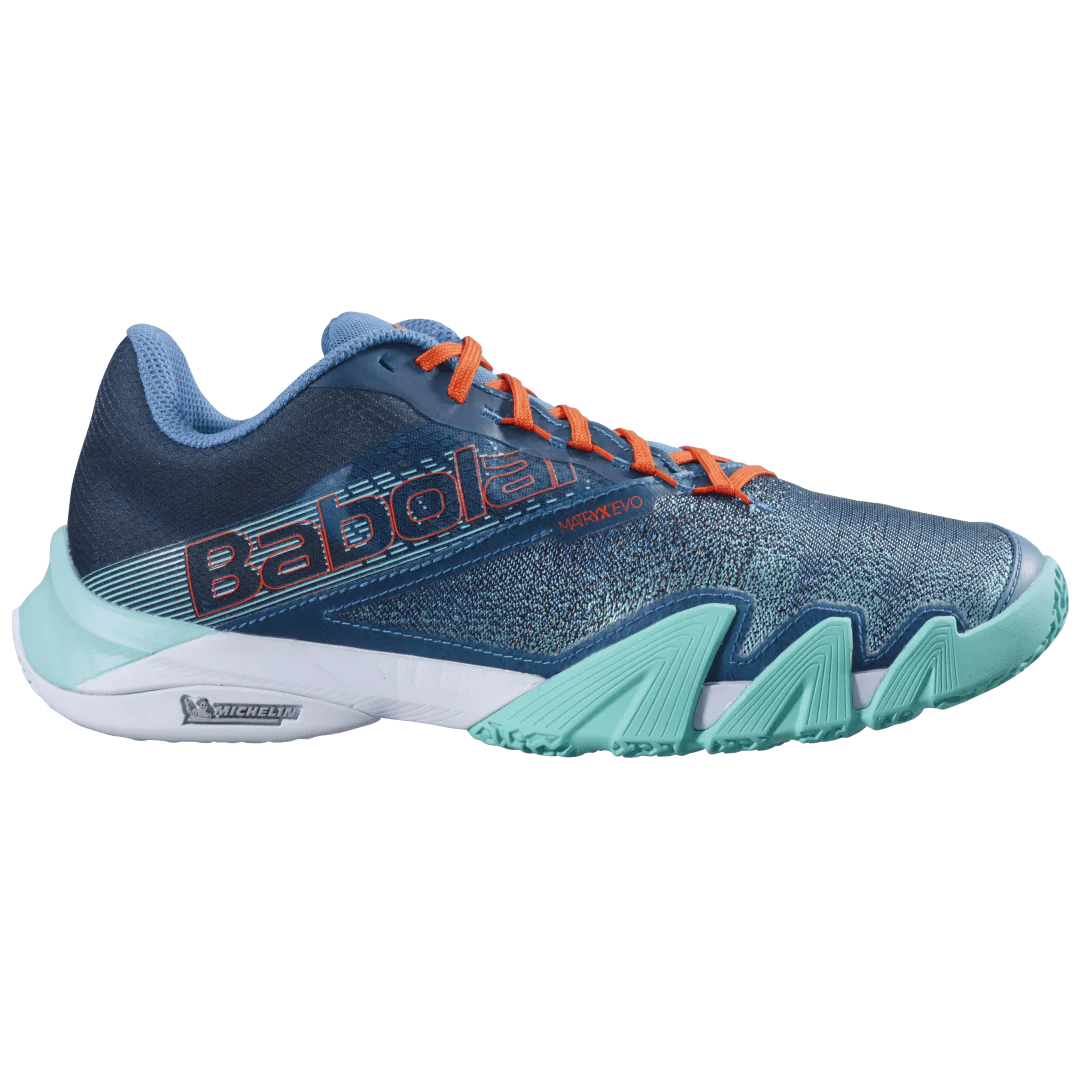
2. Babolat Jet Premura 2 – Electric Green Mandrin (Elite Speed & Grip)

Designed with input from pro players, the Jet Premura 2 Electric Green Mandrin is arguably one of the fastest padel shoes ever built.
Best Features:

  • Matryx EVO upper for feather-light performance

  • Incredible springy midsole for explosive push-off

  • Maximum breathability for hot matches

  • Premium Michelin outsole

If your game depends on fast reactions and quick sprints, this one feels like a rocket under your feet.

Buy Now

3. NOX AT10 White & Black – The Player’s Favorite

A clean, modern design combined with performance upgrades makes the NOX AT10 White/Black an excellent choice.

Why Players Love It:

  • Perfect cushioning for long rallies

  • Non-slip outsole that grips even on dusty courts

  • Reinforced heel cup for stable landings

  • Great for intermediate and advanced players

It’s a top pick for anyone who wants comfort without compromising agility.

Buy Now

4. Babolat Jet Premura 2 (Electric Green) – Maximum Energy Return

If explosive energy is your style, the Jet Premura 2 Electric Green offers insane agility.

Performance Highlights:

  • Ultra-responsive design

  • Hyper-light yet extremely durable

  • Superb heel and forefoot cushioning

  • Built for competitive padel athletes

This is a fan-favorite because it combines speed and control flawlessly.

Buy Now

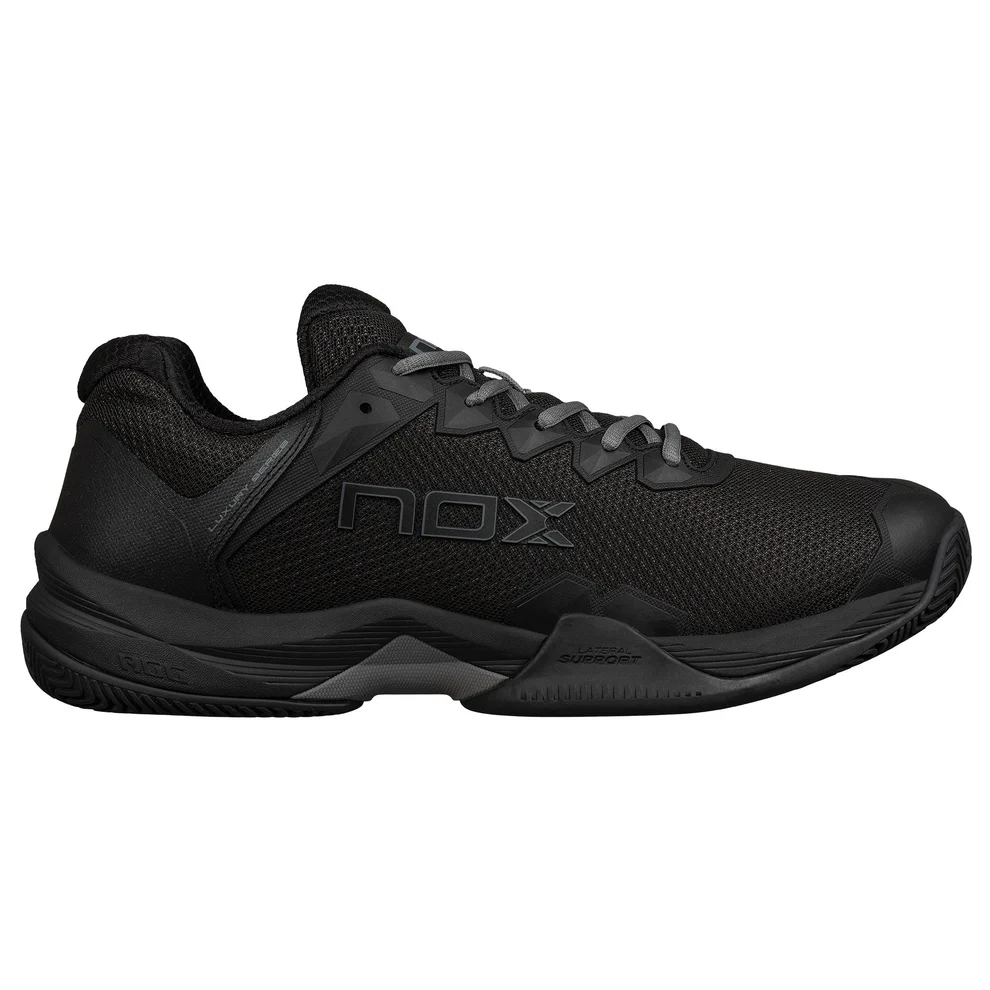
5. ML10 Hexa Black Slate Grey – Ultimate Grip & Stability

The ML10 Hexa is a powerhouse engineered to deliver unmatched stability.
Key Advantages:

  • Extremely durable sole designed for aggressive play

  • Heavy-duty lateral support

  • Cushioned midsole for shock absorption

  • Modern design with a premium finish

This one is perfect for powerful players who prioritize grip and firm footing.

Buy Now

Can I use running shoes for padel?

Technically yes, but it’s highly discouraged.
Running shoes aren’t designed for lateral movements. Padel involves sharp cuts and quick side steps that running shoes cannot handle safely.

What Could Go Wrong:

  • Ankle rolling due to lack of lateral support

  • Rapid outsole wear

  • Poor grip on artificial turf

If you play padel regularly, dedicated padel shoes are a must.

What should I look for in padel shoes?

Look for grip, lateral support, cushioning, durability, and a reinforced toe box. These elements protect your feet and enhance your performance.

Essential Features to Check:

  • Outsole pattern: Herringbone or hybrid for grip

  • Midsole cushioning: EVA or high-rebound foam

  • Upper material: Breathable mesh or performance fabric

  • Ankle support: Reinforced or padded

  • Weight: Light is best for speed, heavier for stability

Choosing the right pair improves your reaction time and reduces fatigue.

Do padel shoes make a difference?

Absolutely. Padel shoes improve traction, prevent slipping, reduce injuries, and increase responsiveness.
Players instantly feel the difference when switching from regular sports shoes to padel-specific footwear.

Better shoes = better performance + safer movements.

What is the difference between padel shoes and tennis shoes?

Padel shoes are built for artificial turf and glass-wall courts, while tennis shoes are optimized for clay, grass, or hard courts.

Key Differences:

  • Outsole: Padel shoes have more textured grip

  • Weight: Usually lighter for quick reactions

  • Cushioning: Designed for impact on turf

  • Stability: Enhanced for side-to-side movement

You can use tennis shoes, but padel shoes offer noticeable advantages.

Where to Buy the Best Padel Shoes Online

For premium padel shoes including NOX and Babolat models, you can browse the full range at Caxton Sports.

See More Padel Shoes (link to: https://caxtonsports.in/product-category/padel/padel-shoes/)

Conclusion

Choosing the top padel shoes is one of the smartest upgrades you can make to your game. Whether you prefer the all-round balance of the NOX AT10 series, the explosive speed of the Jet Premura 2, or the stability of the ML10 Hexa, each shoe brings its own advantage to the court.

The right footwear enhances grip, increases comfort, supports your ankles, and boosts your confidence. If you’re serious about padel, invest in shoes engineered for performance—and you’ll feel the difference from your very next match.
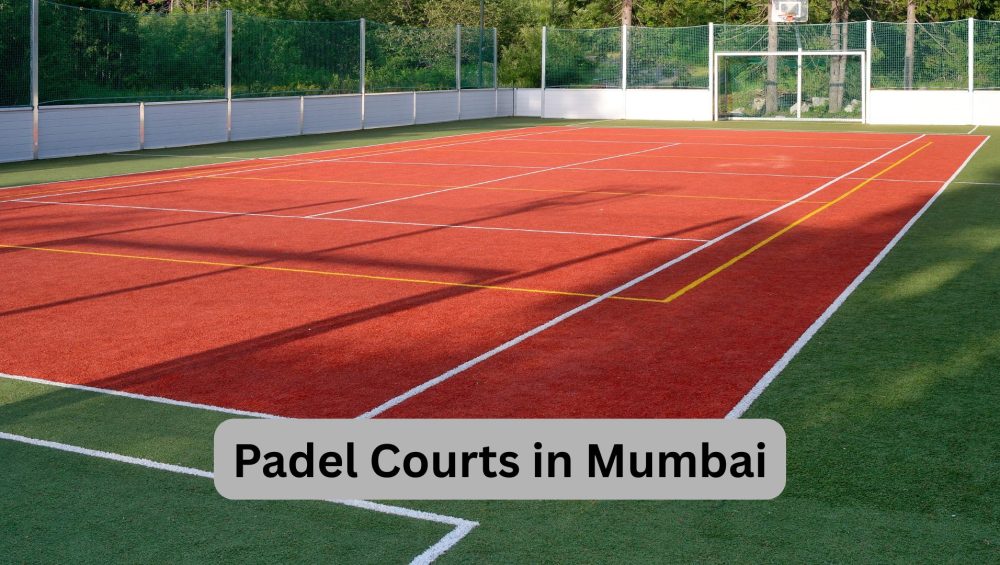
Padel Courts in Mumbai

Top 5 Dedicated Padel Courts in Mumbai | Discover, Book & Play

When you’re ready to swap the treadmill for something truly exhilarating, stepping onto the court of a padel venue in Mumbai can be a game-changer. Whether you’re freewheeling into the sport or chasing down wall-shots like a pro, a good venue sets the mood, the pace, and the quality of every rally. In a bustling city where finding space is half the battle, the right padel court offers both escape and action.

Which Are the Best Padel Courts in Mumbai?

Now we’ll look at each of the five venues in detail—what stands out, what to check, and why you might pick it.

1. Padel Project (Powai)

Here you’ll find a top-tier venue right in Powai’s business/residential blend. It’s located at Supreme Business Park in Hiranandani Gardens.
Why it stands out:

  • Membership and drop-in slots available with good ratings (5.0 from 28 reviews on Justdial).
  • Easily reachable for Powai/Vikhroli/Ghatkopar players.
  • Good for beginners and regulars alike—mentions of well-maintained courts and quality equipment bring trust.
    Best for: Working professionals in central-east Mumbai, groups looking for evening slots, beginners wanting decent facilities.
    Tip: Book early for popular evening slots; mornings may offer quieter conditions.

2. PadelPark Wings (Bandra West)

Located at KC Marg, behind Rangsharda Hotel, Reclamation, Bandra West.
What you’ll get:

  • Prime Bandra West location, ideal if you’re coming from western suburbs.
  • Good reputation for quality service and accessible hours (as per Justdial listing).
    Why it stands out: Bandra is a vibrant social hub—not just for the game but for meeting friends, grabbing a coffee after your session.
    Best for: Social players, after-work games, weekend meet-ups.
    Tip: Parking may be tighter here than in newer suburbs—check the venue’s parking policy ahead.

3. PadelPark Khar (Khar West)

Found inside BPM School, 16th Road, Khar West.
Stand-out factors:

  • An outlet of the brand featured earlier.
  • Convenient for Khar/Andheri West zones; efficient if you live or work nearby.
  • Great for those transitioning to padel from tennis, as many local net-sports players gravitate here.
    Best for: Andheri-Khar region players and weekend casuals.
    Tip: Ask about beginner-friendly slots or group coaching—they may run specials for newbies.

4. Padel 360 (Worli)

Located at Parijat House, LR Papan Marg, Upper Worli.
Why it’s notable:

  • Open hours span 6 AM to 2 AM according to social posts—great for early birds or late night games.
  • Central location—Worli is accessible from many parts of Mumbai.
    Best for: Flexible schedules, corporate groups wanting off-hours courts, serious players training late.
    Tip: Late-night games can be quieter and cheaper—ask about off-peak rates.

5. VPadel Arena (Wadala / Chembur)

Address: 2VJJ+GFF, Ajmera I-Land Road, Wadala East, Bhakti Park, Chembur.
Highlights:

  • Three courts listed here—good size for group bookings or mini-tournaments. 
  • Facility built with a strong “community” mindset (as per their site) and accessible from eastern suburbs.
    Best for: East Mumbai players, team events, group booking with friends.
    Tip: Use their app (if available) for bookings and check if they offer equipment hire for first-time players.

If you’re looking for the top 5 padel courts in Mumbai, they are: Padel Project (Powai), PadelPark Wings (Bandra), PadelPark Khar (Khar), Padel 360 (Worli) and VPadel Arena (Chembur/Wadala). Each offers excellent facilities, convenient booking, and a strong padel community.


Best Padel Rackets:

What Amenities Should You Look For in a Top-Quality Padel Court Venue in Mumbai?

court

Here’s a checklist of amenities that separate good courts from average ones:

  • Surface quality & lighting: High-quality turf/artificial surface and good lighting for evening play.
  • Court booking system: Seamless online/mobile bookings, transparent time-slots and rates.
  • Gear rental: Rackets, balls, shoes (optional) for newcomers.
  • Restrooms/changing rooms: Clean amenities add to comfort especially after work.
    When you visit a venue for the first time, check these. They’ll influence whether you want to come back.

Are There Coaching or Beginner-Friendly Sessions Available at Padel Courts in Mumbai?

Yes — many of these venues actively cater to beginners:

  • They offer introductory coaching, group sessions, or “first-time player” slots.
  • For example, Padel Project’s reviews highlight “knowledgeable trainers” and packages suitable for newcomers.
  • VPadel’s website emphasises “improve your game” and coaches for all levels.
    Why this matters: If you’re new to padel, gear and technique are important. A court that offers coaching means you’ll pick up better skills, faster, and enjoy the game more.
    Tip: Ask for a “trial lesson” or beginner slot, and check what the coach-to-player ratio is (smaller is better for learning).

What Should You Bring & Wear for a Padel Session in Mumbai?

Getting ready is half the fun. Here’s your checklist:

  • Non-marking shoes (preferably indoor court shoes) — helps with grip and protects the surface.
  • Comfortable sports attire — breathable, light.
  • Racket & ball: Some courts rent them; if you’re regular, you may buy your own.
  • Water bottle/towel: Even if court has amenities, better to be prepared.
  • Arrive early: 10–15 minutes ahead is helpful for warm-up and briefing.
  • Buddy or partner: Padel is typically played doubles; if you’ve got a partner you’ll get scheduled easier.
    Tip: Wear light colours if evening; courts can get warm under lights, so breathable fabrics help.

FAQs Before You Book — What to Ask the Venue?

Here are some useful questions to ask when you call or visit a venue:

  • What are the hourly rates for weekdays vs weekends?
  • Are there special rates for off-peak (early morning/late night)?
  • Is gear rental included or extra (racket, balls)?
  • Are coaching sessions available? What cost and schedule?
  • How many courts are there and are they all the same quality?
  • What’s the booking cancellation policy?
  • Is there parking available?
  • Are there membership packages? What are the perks?
  • What’s the best time (less crowd) to book for a smooth game?

How to Get the Most Out of Your Padel Session — Tips & Etiquette

  1. Warm-up properly: few minutes of light jog + dynamic stretches; padel uses quick lateral moves.
  2. Communicate with your partner: double play means you coordinate positions, who takes lobs etc.
  3. Respect court rules: closing time, behaviour, wall use — helps maintain venue goodwill.
  4. Rotate players responsibly: if you finish early or someone’s late, don’t hog the court.
  5. Book ahead: Popular slots fill fast—especially evenings.
  6. Stay hydrated & cool: Mumbai humidity hits even indoor/covered courts.
  7. Ask for feedback/coaching: If you’re serious, a short lesson or drills pay big returns.

Why Padel in Mumbai Is Growing Fast 

The racket sport that blends tennis and squash (i.e., padel) is rapidly gaining traction in India, especially in urban centres like Mumbai.
What this means for you:

  • More venues → more options and flexible timings.
  • More coaching and social events → easier to meet fellow players and improve.
  • Competitive pricing starts emerging as supply increases.
  • The sport’s popularity means it’s not just a game—it’s a community, a fitness choice, a social outing.
    Implication: If you start now, you’ll benefit both from the novelty and from the growth trend.

Conclusion

Mumbai’s padel scene has arrived — and it’s vibrant, accessible, and fun. Whether you’re a beginner looking to pick up a new racket sport or a seasoned player aiming for serious rallies, the five courts we’ve covered offer excellent environments. Choose the venue that fits your schedule, location and level. Book your slot, show up, gear up, and let the game begin.

Additional FAQs

Q1: Is padel suitable for all age groups?
Yes — padel is very inclusive because the movement area is smaller than a tennis court, the pace is fun yet intensive, and beginners find it easier to pick up than tennis.

Q2: Do I need to own a special racket for padel?
You can rent a racket at most venues. If you play regularly, you might invest in your own padel racket (solid face, no strings). Ensure good grip and suitable weight.

Q3: What type of footwear should I use?
Use tennis/indoor court shoes with non-marking soles and good lateral support. Avoid big running shoes or street sneakers which may not give proper grip or may damage court surfaces.


Top 5 Pickleball Courts in Mumbai

Top 5 Pickleball Courts in Mumbai – Book, Play & Enjoy Today

If you’re in Mumbai and looking to grab a paddle, hit an exciting new sport and join a vibrant community, you’re in the right place. In this guide I’ll walk you through the top 5 pickleball courts in Mumbai, what makes each special, how to book them, and tips to get the best experience.


You can pick from five standout venues — each with unique features, from 24/7 outdoor courts to AC indoor halls — and book online or via platform for a fun, social, sport-filled session.

What makes a great pickleball court in Mumbai?

A great venue for pickleball must check several boxes:

  • Quality of surface and net setup: permanent lines, good lighting, solid courts matter. 
  • Booking convenience: online slot booking, clear pricing, available equipment. 
  • Amenities & environment: water, restrooms, shaded or air-conditioned indoor space. 
  • Vibe & community: friendly players, regular sessions, good crowd. 
  • Accessibility: location, transport links, parking. 

When those are strong, you’ll have not only a game but an experience. The courts listed below deliver across these facets.


Top Pickleball Racket Brands in 2025 :

  • Selkirk: The Innovator
  • Joola: The Balanced Performer
  • Ash 100: The All-Rounder
  • FirstEdge: The Power Paddle

Why pickleball is booming in Mumbai

Pickleball — a paddle sport blending tennis, badminton and ping-pong vibes — has been growing fast in Mumbai. Facilities such as those by Global Sports Pickleball (GSP) are driving the growth.

It’s ideal for casual play, social fun, fitness and competition. With venues now offering dedicated courts, coaching and open-play sessions, more people are joining the fun.

What are the best pickleball courts in Mumbai?

Here are the top five venues you should check out:

Pickleball court

1. Maniac Pickleball Arena (Vile Parle West / Andheri)

Why visit: Maniac offers 10 brand-new 24×7 outdoor courts in its Vile Parle West location — a rare find in Mumbai.

Features to note:

  • Large number of courts means easier booking even popular times. 
  • Great for social games or group bookings. 
  • Easy to access, near Vile Parle station. 

Tip: Book in advance if you plan evening time, and bring your own paddle if you prefer a specific type (some venues supply but better to check ahead).


2. Global Sports Pickleball Center

Why visit: GSP is a major player in the pickleball infrastructure space in Mumbai. They host tournaments, offer coaching, have multiple venues.

Features to note:

  • Indoor hard courts in Goregaon and Bandra. 
  • Popular for competitive play and social sessions. 
  • Good booking flexibility. 

Tip: If you want to play during monsoon or prefer climate-controlled conditions, the indoor courts of GSP are a safe bet.


3. Score Pickleball (Saki Naka, Andheri East)

Why visit: Score offers AC indoor courts, a premium environment especially during hot or humid days.

Features to note:

  • Two indoor air-conditioned courts in Marwah Complex, Andheri East. 
  • Good for beginners wanting comfort and a calm environment. 
  • Booking starts from around ₹475 (indicative). 

Tip: Go off-peak to score lower rates and more relaxed slots (e.g., morning or mid-afternoon).


4. Goodland Pickleball (Andheri West)

Why visit: Goodland is tailored to both beginners and advanced players, and offers open-play sessions and friendly community vibes. 

Features to note:

  • Located at Country Club, Veera Desai Road, Andheri West. 
  • Offers clinics like “Intro to Pickleball” and open-play sessions. 
  • Vibrant social scene: good if you want to meet others, not just play. 

Tip: If you’re new to pickleball, this is a top-choice: join one of their beginner sessions to get a smooth entry.


5. TORBA Pickleball Centre (Pali Hill, Bandra West)

Why visit: TORBA offers a more lounge-style experience — combining pickleball with leisure and community.

Features to note:

  • Located in Bandra West, St Anne’s Basement, Nargis Dutt Road. 
  • Open early (06:00 AM) until late (11:00 PM) which gives flexibility. 
  • Ideal if you want social play and possibly pair it with a drink or casual hangout. 

Tip: Evening slots might fill up fast; book ahead for prime time (after 6 pm) if you prefer a crowd or lively vibe.


Top 5 Pickleball Rackets

How can I book a court at the top pickleball venues in Mumbai?

Booking is easier than ever, thanks to online platforms and venue portals. Here’s how you typically do it:

  1. Visit the venue’s website or a booking platform like Hudle. 
  2. Choose date, slot and court type (indoor/outdoor). 
  3. Confirm pricing, pay or hold slot. 
  4. Arrive 10-15 minutes early to warm up and collect gear. 

For example:

  • Maniac lists slots on Hudle. 
  • Score shows booking from ₹475 on Hudle 
  • Goodland uses its own booking system with session plans 

Tip: If you’re planning with friends, block a couple of adjacent courts or find a time when multiple slots are free for group play.

What amenities do pickleball courts in Mumbai offer?

amenities in pickleball court

Beyond the court itself, amenities vary and can make a big difference to your enjoyment. Key amenities to look for:

  • Lighting: Good lighting for evening matches. 
  • Climate control: Indoor AC courts (e.g., Score) are a plus. 
  • Equipment rental: Paddles, balls, nets. 
  • Changing rooms / restrooms: Essential after that workout. 
  • Food / drink / lounge: For social sessions. 
  • Coaching / clinics: Especially for beginners (Goodland offers this). 

If a venue has the full set, you get both sport and comfort.

Which pickleball centre in Mumbai is best for beginners?

If you’re new to pickleball, you’ll want: softer surface (for ease), beginner-friendly sessions, and less pressure. Among our list:

  • Goodland stands out with dedicated beginner clinics and open-play that accommodate new players. 
  • Score’s air-conditioned indoor courts reduce external distractions and weather concerns. 
  • Maniac offers many courts, making it easier to find a “slower pace” slot. 

Tip: Look for venues offering “Intro to Pickleball” or “Beginner Open Play” sessions — Goodland offers this exact program.

Are there indoor pickleball courts in Mumbai?

Yes — plenty. Some key indoor options include:

  • Score Pickleball in Saki Naka offers fully indoor AC courts. 
  • Global Sports’ locations in Goregaon/Bandra centre around indoor hard-courts. 
  • Goodland in Andheri West is also an indoor facility with advanced lighting and surfaces. 

Indoor courts are particularly useful in Mumbai’s rainy or humid weather. Tip: For a comfortable play experience during monsoon or summer, book an indoor court.

What should you bring for a session?

To make the most of your time on the court:

  • Your paddle or rent one at venue. 
  • A good pair of sports shoes, preferably non-marking indoor if required. 
  • Comfortable sports attire (humidity is real in Mumbai!) 
  • A bottle of water / hydration. 
  • A towel and maybe extra shirt for sweating. 
  • Booking confirmation or membership card. 
  • Arrive 10–15 minutes early for warm-up and so you don’t lose time. 

Tips for playing well on Mumbai pickleball courts

  • Warm-up properly. Stretch, practice serves, get a feel for court surface. 
  • Observe the bounce: courts may vary in speed (indoor hard vs outdoor). 
  • Respect crowd: if court is booked after you, finish your game by slot end. 
  • Social etiquette: if you win 2-3 matches and others are waiting, rotate out. (Many venues have this rule). 
  • Stay hydrated, take short breaks—they matter in humid weather. 
  • Try open-play sessions if you don’t have a partner—great way to meet others. 

Summary of each venue in one line

  • Maniac: Outdoor, 24×7, big capacity, great for flexible play. 
  • Global Sports: Multi-location, indoor + outdoor, serious infrastructure, tournaments. 
  • Score: Premium indoor AC courts, ideal for comfort and focused play. 
  • Goodland: Beginner-friendly, open-play community, good value. 
  • TORBA: Lounge-style, social vibe, late hours, good for relaxed and fun sessions. 

Conclusion

Whether you’re brand new to pickleball or a seasoned paddle-wielder, Mumbai’s scene has you covered. From the expansive outdoor courts at Maniac to the social lounge vibes at TORBA, and the high-performance indoor options at Score, you have choices that suit your schedule, budget and style. Pick your venue, book your slot, bring your gear, and get ready to enjoy one of the fastest-growing sports in India right in the heart of Mumbai. See you on the court — game on!

FAQs

Q1: Can I rent a pickleball paddle at these venues?
Yes — many venues (such as Goodland and Global Sports) offer rental equipment. It’s always wise to call ahead and confirm availability.

Q2: What is the ideal number of players for a session?
Typically 2×2 doubles is the standard format — four players. Some open-play sessions allow rotating players and mixes of skill levels.

Q3: Do beginners need to take a coaching session first?
Not strictly, but taking a beginner clinic or watching a quick tutorial helps you understand rules, scoring and movement, making your first sessions more fun and less awkward.


Racket Brands

Graphite vs Composite Pickleball Rackets: Full Guide

If you’ve recently stepped into the fast-paced world of pickleball, you’ve probably realized how big of a difference the right paddle can make. The debate between graphite vs. composite pickleball paddles has become one of the most talked-about topics in the community — and for good reason.

Choosing your paddle isn’t just about brand or price. It’s about how the paddle feels in your hand, how it responds to your shots, and how it matches your playing style.

Quick Answer:

Graphite paddles are lightweight, fast, and offer superior touch and control — ideal for finesse players.
Composite paddles provide more power, spin, and forgiveness — perfect for players who like aggressive, versatile play.

Understanding the Basics: What Makes a Paddle Different?

Every pickleball paddle has three main components that define its performance:

  1. Face material (surface) – graphite or composite

  2. Core material (usually polymer, Nomex, or aluminum)

  3. Weight and grip size

Your paddle’s surface is where the magic happens — it determines how much control, power, and spin you can generate. That’s why the graphite vs. composite decision is so important.

What Is a Graphite Pickleball Paddle?

Graphite paddles use an extremely thin layer of graphite (carbon fiber) on the paddle face.
This material is both lightweight and rigid, giving players precise control and quick reactions at the net.

Characteristics of Graphite Paddles:

  • Extremely lightweight (7.0–7.8 oz)

  • Responsive and fast off the paddle face

  • Great for “touch” shots and quick volleys

  • Durable outer layer that resists dents and scratches

Graphite paddles are often the choice for players who rely on placement, control, and reflex volleys, rather than sheer power.

What Is a Composite Pickleball Paddle?

Composite paddles combine multiple materials — typically fiberglass, carbon fiber blends, or resin-infused fabrics — over a polymer or Nomex core.

This hybrid construction gives them a blend of power and spin, often with a slightly rougher texture that grips the ball more effectively.

Characteristics of Composite Paddles:

  • Heavier (7.5–8.5 oz on average)

  • Excellent for power shots and top-spin

  • Larger “sweet spot” for forgiving play

  • Great for players who like versatility and impact

Composite paddles have a more dynamic feel — they deliver noticeable pop without sacrificing too much control.

Which Paddle Gives More Power — Graphite or Composite?

Composite paddles generate more power due to their flexible face and heavier weight.
The composite material allows for a longer dwell time — meaning the ball stays on the paddle face a split second longer, which translates to stronger, deeper shots.

If you’re someone who enjoys driving the ball past your opponents or adding spin, composite paddles deliver that extra punch you’re looking for.

Which Paddle Offers Better Control?

If precision and placement are your strengths, graphite paddles reign supreme.
Their rigid face gives you a consistent feel and a clean contact point for dinks, drop shots, and volleys.

This is why many experienced players prefer graphite paddles when playing in fast-paced doubles — they need the control to execute delicate net shots without overhitting.

Which Pickleball Paddle Is Best for Beginners?

For beginners, a composite paddle is often the better choice.
Here’s why: it has a larger sweet spot and offers more forgiveness on off-center hits. This makes it easier to keep the ball in play, especially when you’re still learning stroke consistency.

That said, if you naturally have good coordination or a tennis background, you may find graphite paddles more intuitive from the start.

Do Professional Pickleball Players Use Graphite or Composite Paddles?

Most professional players use graphite paddles — or advanced carbon-fiber variants — because they value touch, precision, and control.
Graphite gives them the ability to control the ball’s trajectory even under pressure.

However, some pros who rely on power and spin-heavy games (especially in singles) choose composite or hybrid paddles. The choice often depends on playing style and personal feel, not just brand or hype.

How Do I Choose Between Graphite and Composite Pickleball Paddles?

Choosing the right paddle depends on your style, goals, and comfort.

Ask yourself:

  • Do I play close to the net or at the baseline?

  • Do I prefer finesse or power shots?

  • Is quick reaction or strong follow-through more my strength?

If you answered “yes” to control and net play → choose Graphite.
If you answered “yes” to power and spin → go Composite.

The Feel Factor: Sound, Feedback, and Comfort

Each paddle type has its own acoustic personality and feedback feel:

  • Graphite: Crisper “pop” sound, instant feedback, more control-oriented.

  • Composite: Softer “thud,” less vibration, more forgiving on off-hits.

Players who enjoy the “connected” feeling with the ball often prefer graphite. Those who want a smooth, forgiving response love composite.

Spin Potential and Surface Texture

Composite paddles generally have more textured surfaces, allowing players to grip the ball longer and create more spin.
Graphite paddles are smoother and emphasize flat, controlled shots rather than spin-heavy play.

If you’re a player who loves to “shape” the ball or add tricky spins, composite gives you that edge.

13. Durability and Longevity

Both types are durable, but graphite paddles have an edge when it comes to surface longevity — the graphite sheet doesn’t wear down as quickly.
Composite paddles, especially fiberglass ones, may show surface scuffs or texture loss over time with heavy use.

That said, the core of the paddle (polymer or Nomex) often determines total lifespan more than the face material.

Maintenance and Care Tips

Both paddle types require simple care to maintain performance:

  • Wipe the face with a damp microfiber cloth after each game.

  • Avoid leaving it in extreme heat (like inside a car).

  • Use a paddle cover to prevent surface scratches.

  • Check grip wear and replace tape regularly for better control.

Proper care can extend your paddle’s life significantly, whether it’s graphite or composite.

Hybrid Paddles — The Best of Both Worlds?

Modern brands now offer hybrid paddles combining graphite’s control with composite’s spin. These are often marketed as “carbon-fiber composite” paddles and are rapidly gaining popularity among advanced players.

They’re great for those who want balance — quick response without sacrificing hitting power.

Conclusion

When it comes to graphite vs. composite pickleball paddles, there’s no one-size-fits-all winner. It’s about how you play, not just what you play with.

Graphite gives you refined control and lightning-quick responses, while composite gives you bold power and confidence from the backcourt.

So whether you’re chasing victory in tournaments or just enjoying casual weekend games — your perfect paddle isn’t just equipment. It’s your signature style on the court.


Siux Padel Rackets 2025 Guide: Best Models & Market Insights

Padel is exploding worldwide, and if you’ve been around the courts recently, you’ve probably spotted the Siux logo more than once. Known for precision, durability, and innovation, Siux padel rackets have carved out a strong reputation among both professionals and casual players. But in 2025, the competition is fiercer than ever, and players want to know: How is Siux competing in the padel market, and which rackets are worth buying this year?

This guide dives deep into the latest Siux racket lineup, explores their standout technologies, and helps you choose the right model based on your playing style.

Quick Answer:
Siux padel rackets in 2025 are combining cutting-edge carbon technology, ergonomic designs, and specialized models for every skill level. Top picks include the Siux Valkiria Pro, Ultra Pro, and Electra Stupa Pro ST3, all designed to deliver power, control, and balance for different playing styles.

Why Siux Padel Rackets Are Popular in 2025

Siux isn’t just another brand; it’s a padel-first company that consistently reinvests in innovation. From collaborating with professional players like Franco Stupaczuk to experimenting with new carbon composites, the company has stayed ahead by listening to the needs of real players.

  • Trusted by pros: Many World Padel Tour players use Siux rackets.

  • Innovative materials: Lightweight carbon, EVA rubber cores, and anti-vibration systems.

  • Range of models: Designed for beginners, intermediate, and elite professionals.

Are Siux Padel Rackets Good for Beginners or Advanced Players?

Yes, Siux offers rackets for both. Beginners often need rackets with larger sweet spots and better control, while advanced players prefer power-oriented models.

  • For beginners: The Siux Beat Hybrid offers forgiveness and comfort.

  • For advanced players: The Siux Electra Stupa Pro ST3 delivers explosive power and spin.

This versatility makes Siux an excellent brand whether you’re just starting or chasing competitive glory.

Which Is the Best Siux Padel Racket in 2025?

While “best” depends on your style, three rackets stand out this year:

  1. Siux Valkiria Pro – A balanced choice with incredible control and stability.

  2. Siux Fenix Pro 5 – Built for players who want aggressive shots and power.

  3. Siux Electra Stupa Pro ST4 – Used by pro Franco Stupaczuk, perfect for advanced attackers.

Each one has been engineered with unique carbon fiber layers and different EVA cores, making them suitable for distinct playing strategies.

What Technologies Are Used in Siux Padel Rackets?

Siux focuses heavily on material innovation and player comfort. Key technologies include:

  • Carbon Fiber Frames: Ensures durability and lightweight strength.

  • EVA Soft and EVA Pro Cores: Provide varied feel – from softer comfort to firm precision.

  • Anti-Vibration Systems: Reduce stress on elbows and wrists, lowering injury risk.

  • Hybrid Shapes: Mix of round and diamond designs for balance between power and control.

These innovations make Siux stand out in a crowded padel market.

How Do I Choose the Right Siux Padel Racket for My Playing Style?

Choosing the right racket means matching your strengths and weaknesses with the racket’s design.

  • Control Players (Defensive): Look for round rackets like the Siux Valkiria Pro.

  • Power Players (Offensive): Diamond-shaped rackets like the Siux Ultra Pro maximize smash potential.

  • All-Round Players: A hybrid like the Siux Beat Hybrid offers balance.

Tip: Always test grip comfort and racket weight. What feels good in your hand matters as much as the specs on paper.

What Makes Siux Different from Other Padel Brands?

Siux differentiates itself through consistency and innovation. Unlike brands that focus heavily on tennis crossover products, Siux is padel-dedicated.

  • Player-driven design: Collaborations with WPT stars.

  • Wide portfolio: From junior rackets to elite pro-level models.

  • Durability promise: Known for rackets that withstand heavy play.

This makes Siux one of the few brands players remain loyal to year after year.

Spotlight on Siux Bestsellers of 2025

Let’s take a closer look at this year’s most talked-about models.

Siux Valkiria Pro

  • Shape: Round

  • Best for: Control players

  • Why buy: Stability, forgiveness, and precise placement.

  • Shop here: Siux Valkiria Pro

Siux Ultra Pro

  • Shape: Diamond

  • Best for: Aggressive attackers

  • Why buy: Explosive smashes and raw power.

  • Shop here: Siux Ultra Pro

Siux Electra Stupa Pro ST3

  • Shape: Hybrid

  • Best for: Advanced competitive players

  • Why buy: Endorsed by Franco Stupaczuk, combines control and spin.

  • Shop here: Electra Stupa Pro ST3

Siux Electra ST3 Lite

  • Shape: Hybrid, lighter version

  • Best for: Players seeking maneuverability without losing power

  • Shop here: Electra ST3 Lite

Siux Beat Hybrid

  • Shape: Hybrid

  • Best for: Intermediate all-rounders

  • Why buy: Balance of control and offense, ideal progression racket.

  • Shop here: Siux Beat Hybrid

Siux’s Position in the 2025 Padel Market

Siux is competing against brands like Babolat, Head, and Adidas. However, its edge lies in brand loyalty and pro endorsements. By focusing on player-specific needs and keeping innovation at the forefront, Siux is holding strong market share in Europe and expanding globally.

For someone shopping in 2025, Siux is one of the most reliable padel investments.

Tips for Maintaining Your Siux Padel Racket

  • Always use a racket cover to prevent scratches.

  • Avoid extreme heat/cold as carbon fiber reacts to temperature.

  • Replace grip regularly for comfort and sweat control.

  • Check for frame cracks after heavy smashes – small repairs early can save the racket.

Proper care ensures your racket performs at its best for years.

Conclusion

The Siux padel racket lineup in 2025 proves that the brand is here to stay and thrive. Whether you’re a new player searching for control or an elite competitor chasing power, there’s a model that fits your game. With innovation, durability, and pro-level performance, Siux remains one of the top padel brands globally.

If you’re investing in a new racket this year, the Valkiria Pro, Ultra Pro, and Electra Stupa Pro ST3 are leading the pack.

Additional FAQs

  1. Do Siux padel rackets come with a warranty?
    Yes, most models include a manufacturer’s warranty covering defects, though not wear from normal play.
  2. Are Siux rackets heavier than other brands?
    Not necessarily. They offer light, medium, and heavy models to suit different preferences.
  3. Can I use a Siux padel racket for pickleball?
    No. Padel and pickleball rackets differ significantly in design and material.
  4. Where can I buy authentic Siux padel rackets in India?
    You can find genuine Siux rackets through Caxton Sports, an authorized distributor.
  5. Are there Siux rackets designed specifically for women?
    Yes, models like the Siux Valkiria Pro are lightweight and designed for women seeking control and maneuverability.


Adidas vs Head Padel Rackets 2025: Best Models & Brand Guide

When it comes to padel, two names dominate conversations worldwide: Adidas and Head. Both brands have carved out powerful reputations, and in 2025, they’re pushing the boundaries of technology, design, and player performance. But here’s the real question: Which brand should you trust with your next racket purchase?

In this in-depth guide, we’ll compare Adidas vs Head padel rackets—looking at their brand growth, exploring the current collections, and highlighting the best models to buy right now. By the end, you’ll know exactly which racket belongs in your hand the next time you step on court.

Quick Answer:
Adidas rackets stand out for innovation and customization (with their Metalbone series), making them ideal for versatile players. Head rackets shine in power, stability, and spin technologies, perfect for competitive players who want consistent performance. The right choice depends on whether you value adaptability (Adidas) or raw performance (Head).

Adidas vs Head: A Snapshot of Brand Growth

Both brands have deep roots in racket sports, but their approach to padel is unique.

  • Adidas: Leveraging decades of experience in sports innovation, Adidas has built a reputation for rackets that balance style, technology, and versatility. Their marketing heavily targets all-round players and emphasizes adaptability.

  • Head: A powerhouse in tennis, Head brought its expertise into padel with rackets focused on power, stability, and spin mechanics. They quickly became favorites among professional and competitive players.

In 2025, both brands continue to grow aggressively, investing in lightweight carbon tech, anti-vibration systems, and eco-friendly designs to win over the next generation of players.

Are Adidas Padel Rackets Better Than Head?

It depends on your priorities.

  • If you’re a player who values innovation and customization, Adidas rackets like the Metalbone Carbon 3.4 allow you to tweak balance and weight.

  • If you’re a power-hitter who thrives on explosive smashes and spin, Head rackets like the Extreme Pro deliver unmatched consistency.

In short: Adidas is about adaptability, while Head is about reliability and raw performance.

Which Is the Best Adidas Padel Racket in 2025?

The Adidas Metalbone series leads the lineup in 2025. Here are the standouts:

  1. Adidas Metalbone Team 3.4

    • Best for intermediate players wanting balance and control.

    • Shop here

  2. Adidas Metalbone Light

    • Offers weight and balance customization for versatile play.

    • Shop here

  3. Adidas Metalbone HRD 3.4

    • Harder core for aggressive smashes and pro-level performance.

    • Shop here

Which Is the Best Head Padel Racket in 2025?

Head’s Extreme and Gravity series dominate 2025.

  1. Head Radical Motion

    • Ultra-light, perfect for fast reaction players.

    • Shop here

  2. Head Extreme Pro

    • Built for power-hitters with strong offensive play.

    • Shop here

  3. Head Extreme Motion

    • Lighter version of the Pro, ideal for maneuverability.

    • Shop here

  4. Head Gravity Pro

    • Large sweet spot, perfect for control players.

    • Shop here

What Are the Main Differences Between Adidas and Head Padel Rackets?

Let’s break it down:

  • Design Philosophy:

    • Adidas: Adaptable, stylish, and customizable.

    • Head: Stable, powerful, and spin-focused.

  • Target Players:

    • Adidas: Ideal for all-round and versatile players.

    • Head: Ideal for power-driven and competitive players.

  • Technology Highlights:

    • Adidas: Customizable weights (Metalbone), structural reinforcements.

    • Head: Graphene materials, Spin Blade surfaces, anti-vibration systems.

How Do I Choose Between Adidas and Head Padel Rackets?

The choice boils down to your playing style and goals.

  • Choose Adidas if you:

    • Enjoy adapting to different opponents.

    • Want a customizable racket (weight/balance).

    • Prefer an all-round performance racket.

  • Choose Head if you:

    • Play aggressively and rely on smashes.

    • Value stability and precision.

    • Need a racket with proven pro-level performance.

Adidas Metalbone Series: Spotlight in 2025

Adidas’ Metalbone collection has become iconic. What makes it special?

  • Customizable Weight System: Adjust to play more offensively or defensively.

  • Durable Frames: Built with carbon reinforcements.

  • Professional Endorsements: Used by top WPT players.

👉 Check out the Metalbone Team 3.4 for beginners, Metalbone Carbon 3.4.2 for adaptability, and Metalbone HRD 3.4 for raw power.

Head Extreme & Gravity Series: Spotlight in 2025

Head continues to dominate with the Extreme and Gravity collections.

  • Extreme Series: Built for explosive offense with advanced spin mechanics.

  • Gravity Series: Wider sweet spots, more forgiving for control players.

👉 Explore the Head Radical Motion for lightweight play, the Head Extreme Pro for smashers, and the Head Gravity Pro for control specialists.

Adidas vs Head: Market Trends in 2025

Both brands are moving towards:

  • Eco-friendly designs with recycled materials.

  • Enhanced vibration dampening for injury prevention.

  • Professional endorsements to inspire player trust.

Adidas leans more toward customization and versatility, while Head stays firmly rooted in power-driven performance.

Tips Before Buying a Padel Racket in 2025

  1. Define your style: Are you defensive, aggressive, or all-round?

  2. Check weight range: Lighter rackets = faster reactions, heavier = more power.

  3. Consider grip comfort: A small adjustment can prevent wrist/elbow strain.

  4. Look at durability: Carbon-based rackets often last longer.

  5. Try before you buy: Whenever possible, test rackets on court.

Conclusion

The Adidas vs Head padel racket debate in 2025 comes down to your style of play. If you want a racket that adapts with you, Adidas Metalbone models are a perfect fit. If you crave stability, spin, and explosive shots, Head’s Extreme and Gravity series won’t let you down.

Either way, both brands are among the safest and smartest investments in padel right now.

Additional FAQs

  1. Are Adidas and Head padel rackets suitable for juniors?
    Yes, both brands have lighter versions designed for juniors.
  2. Do Adidas and Head rackets come with covers?
    Most premium models include a protective cover, but always confirm before buying.
  3. Which lasts longer: Adidas or Head padel rackets?
    Both are durable, but Head rackets tend to have slightly stronger frames due to their tennis engineering heritage.
  4. Can I use Adidas or Head padel rackets for tennis?
    No, padel rackets are completely different from tennis rackets in size, weight, and structure.
  5. Which brand is more popular on the World Padel Tour?
    Both brands sponsor top players, but Adidas leans toward versatile stars, while Head often equips big-hitters.


Babolat Padel Rackets 2025

Babolat Padel Rackets 2025: Bestselling Models & Market Insights

Padel has exploded in popularity worldwide, and few brands have contributed to its rise as much as Babolat. Known for innovation, durability, and playability, Babolat rackets have consistently dominated both the amateur and professional padel scenes. Now in 2025, the brand has released a range of rackets that are shaping the market conversation—and winning over players from beginners to top-ranked professionals.

This article dives deep into the market performance of Babolat’s latest padel rackets, explores the bestselling models of 2025, and helps you figure out which one might be the best fit for your style of play.


Quick Answer:

The best Babolat padel rackets in 2025 combine power, control, and comfort, making them popular among professionals and casual players alike. The standout bestselling models this year include lightweight, hybrid rackets that balance precision with explosive power, catering to both beginners and advanced players.

The Rise of Babolat in the Padel Market

Babolat isn’t just a tennis powerhouse anymore—it has carved out a significant presence in the global padel market. Their rackets are widely praised for:

  • Innovation in design (like carbon frames and EVA cores). 
  • Player-centric focus (models suited to different levels). 
  • Market accessibility (options for beginners, intermediates, and pros). 

In 2025, sales data shows that Babolat rackets hold a commanding market share in Europe, particularly Spain, Italy, and Sweden—countries where padel has become almost a lifestyle.

Are Babolat padel rackets good for beginners and professionals?

Yes, Babolat padel rackets are suitable for both beginners and professionals, thanks to the brand’s segmented range.

  • For Beginners: Babolat designs lightweight rackets with large sweet spots that offer control and forgiveness, making it easier to learn the game. 
  • For Professionals: Models built with 18K carbon surfaces, diamond shapes, and high-density EVA cores provide explosive power and pinpoint control, perfect for competitive play. 

This dual focus is one of the reasons Babolat’s popularity keeps growing.

Padel Racket Shape Explained: Diamond, Teardrop, Round Guide

Which Babolat padel racket is best in 2025?

The answer depends on your playing style, but some standout bestsellers of 2025 include:

  1. Babolat Technical Viper 2025 – A diamond-shaped powerhouse designed for aggressive players who thrive on smashing. 
  2. Babolat Air Veron 2025 – Lightweight, fast, and maneuverable, built for players who rely on agility and quick reactions. 
  3. Babolat Counter Veron 2025 – Perfect for defensive players who want stability and durability during long rallies. 
  4. Babolat Stima Vita 2025 – Tailored for women and intermediate players, offering comfort and precision without sacrificing performance. 

(For reference, you can explore the Stima Vita Babolat model here: caxtonsports.in/product/stima-vita-babolat/).

What is the difference between Babolat padel rackets and tennis rackets?

Though both come from the same brand, padel rackets and tennis rackets are fundamentally different:

  • Padel rackets: Solid, perforated surfaces with no strings. Smaller, lighter, and designed for fast reactions on a smaller court. 
  • Tennis rackets: Stringed, larger frames built for hitting balls with topspin and power over a full-sized court. 

Babolat leverages its tennis engineering background to create cutting-edge padel technologies, giving players rackets that balance control, spin, and durability.

How do I choose the right Babolat padel racket for my playing style?

Choosing the right racket boils down to three main factors:

  1. Skill Level 
    • Beginner → Round rackets with large sweet spots (e.g., Stima Vita). 
    • Intermediate → Hybrid rackets that balance power & control (e.g., Air Veron). 
    • Professional → Diamond rackets for maximum power (e.g., Technical Viper). 
  2. Playing Style 
    • Aggressive attackers → Choose a diamond-shaped racket for explosive smashes. 
    • Defensive strategists → Opt for round or hybrid frames with control and stability. 
    • All-rounders → Hybrid rackets like the Veron series give the best of both worlds. 
  3. Physical Comfort 
    • Lightweight rackets reduce fatigue. 
    • Softer cores absorb vibration, protecting against injuries like tennis elbow. 

Why are Babolat rackets popular in the padel market?

Babolat rackets enjoy immense popularity because they blend:

  • Technology: Cutting-edge carbon materials and vibration-absorbing systems. 
  • Variety: Models for women, juniors, amateurs, and professionals. 
  • Brand reputation: With over a century in racket sports, Babolat is trusted globally. 
  • Performance validation: Many pro padel players endorse and use Babolat rackets in top tournaments. 

Market Performance of Babolat Padel Rackets in 2025

Several market trends define Babolat’s 2025 success:

  • Increased sales among women and juniors thanks to models like Stima Vita. 
  • Growing adoption in the Middle East (especially Dubai and Saudi Arabia). 
  • Sponsorship deals with top professional players that boost visibility. 
  • Online sales surge as more players prefer e-commerce over brick-and-mortar stores. 

Overall, Babolat continues to hold one of the top three positions in the global padel market.

Key Technologies in Babolat Padel Rackets 2025

  • 3D Spin+ Surface: Enhances grip on the ball for added spin. 
  • Carbon Flex Construction: Balances power and comfort. 
  • Vibrabsorb System²: Reduces arm strain and vibrations. 
  • Hole Pattern System: Improves sweet spot efficiency. 

These innovations make Babolat not just a brand, but a technology leader.


Best Value Babolat Rackets in 2025

For players who want performance without breaking the bank, consider:

These models deliver solid value while maintaining Babolat’s hallmark quality.

Conclusion

In 2025, Babolat padel rackets stand as a perfect blend of technology, performance, and variety, making them a top choice for players of all levels. Whether you’re smashing winners in a tournament or picking up padel for the first time, there’s a Babolat racket that feels tailor-made for you. With bestselling models like the Technical Viper, Air Veron, and Stima Vita, the brand continues to dominate courts and captivate players worldwide.

So, if you’re serious about leveling up your padel game, investing in a Babolat racket this year is a decision you won’t regret.

Additional FAQs

  1. How long does a Babolat padel racket last?
    With regular play, a high-quality Babolat racket lasts about 12–18 months before performance begins to decline.
  2. Do professional padel players use Babolat rackets?
    Yes, many professionals, including top-ranked players, compete with Babolat rackets, showcasing their reliability and performance.
  3. Are Babolat rackets expensive compared to other brands?
    Babolat offers a wide price range. High-end models are premium-priced, but beginner and intermediate rackets are competitively affordable.
  4. Can I use a Babolat padel racket for beach tennis?
    No, padel rackets are designed specifically for padel. Beach tennis requires rackets engineered for sand and outdoor conditions.
  5. Where can I buy Babolat padel rackets online in 2025?
    You can purchase them from specialized sports retailers, authorized distributors, or trusted online stores offering the latest models.

Pickleball Racket Size Guide: Weight, Grip & Shape Explained

Pickleball may be one of the fastest-growing sports, but choosing the right racket can feel overwhelming. Size, grip, weight, and shape all play crucial roles in how you perform on the court. Think of it like shoes—wear the wrong size, and you’ll never play comfortably. The same goes for your pickleball racket.

This guide breaks down everything you need to know about racket size, grip, and shape so you can play better, avoid injuries, and enjoy the game even more.

Importance of Choosing the Right Racket


The racket isn’t just a tool—it’s your playing partner. The right one helps you:

  • Generate controlled shots with less effort 
  • Prevent strain on your wrists and elbows 
  • Stay comfortable during long games 

A poorly sized racket, on the other hand, can limit your potential and even cause injuries like tennis elbow.

Pickleball Racket Weight

Weight is the first thing most players notice. It affects your swing speed, power, and endurance.

Lightweight Rackets 

  • Easy to maneuver 
  • Great for quick reactions at the net 
  • Ideal for players who prefer control and spin 
  • Perfect for beginners or those with arm injuries 

Midweight Rackets 

  • Balanced between power and control 
  • Suitable for most players 
  • Comfortable for both beginners and intermediate players 

Heavy Rackets 

  • Deliver more power with less effort 
  • Provide stability during smashes 
  • Can cause arm fatigue if used for long periods 
  • Best for experienced players with strong arms 

Grip Size Explained

Grip size is often overlooked, but it’s one of the most important factors. A grip that’s too small can overwork your wrist, while one that’s too big can limit your control.

How to Measure Grip Size

  • Ruler Method: Measure from the tip of your ring finger to the middle crease of your palm. 
  • Index Finger Test: Hold the racket; if you can fit your index finger between your fingers and palm, the grip size is right. 

Small Grips (4–4.125 inches)

  • Enhance wrist movement 
  • Allow for more spin 
  • Better for smaller hands 

Medium Grips (4.25–4.375 inches)

  • Balance between control and comfort 
  • Suitable for most players 

Large Grips (4.5–4.75 inches)

  • Reduce wrist strain 
  • Increase stability 
  • Ideal for players with bigger hands 

Pickleball Racket Shapes

The shape of your racket can change your playstyle dramatically.

Standard Shape

  • Balanced power and control 
  • Great for beginners 

Elongated Shape

  • More reach for shots 
  • Better suited for advanced players looking for power 

Widebody Shape

  • Larger sweet spot 
  • Offers more forgiveness 
  • Perfect for accuracy and defensive play 

Racket Core Materials

The material inside the paddle, or core, changes how it feels.

  • Polymer: Quiet, durable, great for control 
  • Nomex: Hard and powerful, but louder 
  • Aluminum: Lightweight, good control, less power 

Surface Materials

The outer surface affects spin and touch.

  • Graphite: Lightweight, quick response 
  • Fiberglass: More power, good pop 
  • Carbon Fiber: Durable, balanced performance 

How Weight, Grip & Shape Work Together

Think of your racket like a recipe. Each ingredient—weight, grip, and shape—must be balanced. A lightweight elongated racket might suit a defensive player, while a heavy widebody with a large grip works for power-focused players.

Beginner’s Guide to Selecting a Racket

  • Start with a midweight racket for balance 
  • Choose a medium grip if unsure about hand size 
  • Stick with a standard shape until you refine your style 
  • Avoid extremes in weight and size 

Advanced Player Considerations

Experienced players often experiment with weight distribution, edge guards, and grip wraps to fine-tune their rackets. Small adjustments can create big performance differences at competitive levels.

Maintenance Tips for Pickleball Rackets

  • Wipe the surface regularly 
  • Replace worn-out grips for comfort 
  • Avoid leaving it in hot cars or damp places 

Common Myths About Racket Size

  • Heavier = More Power Always? Not true; technique matters just as much. 
  • Bigger Grip = No Injuries? Wrong; oversized grips can cause elbow pain. 
  • Shape Doesn’t Matter? It does—different shapes suit different playstyles. 

Conclusion

Your pickleball racket is more than just equipment—it’s an extension of your playing style. By understanding weight, grip size, and shape, you’ll be able to pick a racket that not only feels right but also improves your game. Whether you’re a beginner learning the ropes or an advanced player refining your skills, the right racket can transform your experience on the court.

FAQs

  1. What weight racket is best for beginners?
    A midweight racket (7.3–8.4 oz) is the safest choice since it balances power and control.
  2. Can I change my grip size later?
    Yes, you can add grip tape or overgrips to slightly increase size, but reducing it isn’t possible.
  3. Is a lightweight racket bad for power?
    Not necessarily—lightweight rackets sacrifice some power but provide more control and faster reactions.


How to Maintain Your Padel Racket: Do’s and Don’ts

Introduction

If you love padel, your racket is more than just equipment—it’s your partner on the court. But here’s the thing: no matter how high-quality it is, poor care can shorten its life dramatically. That’s why knowing the do’s and don’ts of padel racket maintenance is essential. With the right habits, you’ll keep your racket in top shape, avoid unnecessary expenses, and ensure your performance stays sharp.

Understanding Your Padel Racket

Before diving into maintenance, let’s understand what makes up your racket. A padel racket typically has a frame, a core with holes, and a grip. Unlike tennis rackets, there are no strings—making the surface more sensitive to damage. Regular play, temperature shifts, and improper handling are the most common reasons rackets lose their edge over time.

The Do’s of Padel Racket Maintenance

Do clean your racket regularly

Dust, sweat, and dirt can build up on the racket’s surface, affecting grip and ball control. Use a soft, slightly damp cloth to clean it after each game. Keep it simple—no harsh chemicals needed.

Do store it in the right conditions

Think of your racket as you would a plant. Too much heat or cold will ruin it. Store it in a dry, cool place where temperatures stay stable.

Do use a protective cover

A cover is like a shield—it protects your racket from scratches, bumps, and sun exposure. Always slip it back into its case after a match.

Do check for damages frequently

A tiny crack today can turn into a broken racket tomorrow. Inspect the frame and surface after matches to catch issues early.

Do grip replacements when needed

Sweaty or worn grips don’t just feel uncomfortable—they can lead to slips and injuries. Replace grips when they lose tackiness or cushioning.

Do allow it to rest between games

Just like your body needs rest, so does your racket. Continuous play in extreme conditions without breaks can weaken the structure.

Do keep it away from excessive sunlight

Leaving your racket in the sun, especially on hot courts, can warp the frame and weaken its materials.

The Don’ts of Padel Racket Maintenance

Don’t expose it to extreme temperatures

Extreme heat can soften the racket’s core, while freezing cold can make it brittle. Avoid garages, car trunks, or leaving it outside.

Don’t use water directly on the racket face

A quick wipe is fine, but soaking your racket or rinsing it under a tap? That’s a no-go. Moisture can seep in and damage the structure.

Don’t bang it on the ground or walls

Frustrated after a lost point? Resist the urge to smash your racket. Impact against hard surfaces is the fastest way to shorten its life.

Don’t over-tighten wrist straps

Straps are there for safety, not to strangle the handle. Over-tightening can stress the grip area and cause cracks over time.

Don’t leave it in your car for long periods

Cars turn into ovens in summer and freezers in winter. Both extremes can cause permanent racket damage.

Don’t ignore minor cracks or dents

A small dent is like a warning sign—ignore it, and it might turn into a game-ending break.

Don’t overload your sports bag with heavy items on top of the racket

Stacking shoes, bottles, and gear on top of your racket can bend or warp its shape. Give it its own protected space.

Best Practices for Long-Term Care

Balance is everything. Play often, but give your racket breaks. If you’re playing in hot or humid seasons, be extra cautious with storage. Rotate between rackets if possible—it spreads out wear and extends each one’s life. And know when it’s time to let go: even with perfect care, rackets won’t last forever.

Signs Your Racket Needs Professional Attention

  • Handle issues: If your grip feels loose or the handle wiggles, it may need repair. 
  • Frame damage: Notice cracks or chipping? That’s beyond DIY care. 
  • Unusual vibrations: If your racket feels off when striking the ball, internal damage may be the cause. 

Practical Storage Tips

Store your racket in a padded bag designed for sports equipment. Keep it in a cool, dry room—away from heaters, windows, or damp corners. Humidity and sunlight are silent killers for racket durability.

How Maintenance Improves Your Game

Taking care of your racket isn’t just about saving money. A well-kept racket gives you consistent ball control, reliable power, and the confidence to push your limits on the court. Simply put: when your racket is in shape, your game is in shape.

Conclusion

Your padel racket is your trusted partner, and like any partnership, it thrives on care and attention. Follow the do’s and avoid the don’ts, and you’ll enjoy longer racket life, better performance, and fewer interruptions to your game. Treat your racket right, and it will return the favor every time you step onto the court.

FAQs

  1. How often should I replace my padel racket grip?
    Replace it whenever it feels slippery or loses cushioning—usually every few weeks if you play regularly.
  2. Can I wash my racket with soap and water?
    No. Stick to a damp cloth for cleaning. Water and chemicals can damage the racket’s materials.
  3. What’s the best way to travel with a padel racket?
    Use a padded racket bag and avoid placing heavy items on top. Keep it with you instead of leaving it in car trunks.


carbon fiber

Carbon Fiber Pickleball Rackets – Are They Worth It in 2025?

Pickleball isn’t just a backyard hobby anymore—it’s exploded into one of the fastest-growing sports in America and beyond. With its rise, racket technology has also taken a giant leap forward. Among the innovations, carbon fiber Pickleball rackets have been getting a lot of attention. But here’s the million-dollar question: Are they really worth the investment in 2025, or just another marketing buzzword?

Quick Answer:
Yes, carbon fiber Pickleball rackets are worth it for players seeking durability, control, and advanced performance in 2025. They offer a better feel, spin potential, and longevity compared to fiberglass or wood, though they come at a higher cost and may not be necessary for absolute beginners.

What Makes Carbon Fiber Different from Other racket Materials?

Carbon fiber is a composite material made from tightly woven carbon strands, creating a racket surface that’s both lightweight and extremely strong. Unlike fiberglass, which flexes more, carbon fiber offers a firmer, crisper contact with the ball.

Think of it this way: fiberglass rackets are like trampolines—bouncy and fast—while carbon fiber rackets are like a surgeon’s scalpel—precise and controlled.

  • Wood rackets: Heavy, outdated, cheap, great for casual or first-time play.

  • Fiberglass rackets: Great power, decent control, affordable mid-range option.

  • Carbon fiber rackets: Premium feel, top-level control, superior durability.

Are Carbon Fiber Pickleball rackets Better Than Fiberglass?

Yes, but it depends on what “better” means for you.

  • Control: Carbon fiber rackets win. The rigid surface helps place the ball exactly where you want.

  • Power: Fiberglass tends to give more raw power because of its trampoline effect.

  • Spin: Carbon fiber surfaces grip the ball slightly better, offering superior spin.

  • Durability: Carbon fiber outlasts fiberglass in most cases.

If you’re an aggressive baseline hitter, fiberglass might suit you. But if you love soft dinks, drop shots, and placement, carbon fiber is your ally.

What Are the Disadvantages of Carbon Fiber Pickleball rackets?

Even the best tech has trade-offs. Here are the downsides:

  1. Price: Carbon fiber rackets often start around $150 and can go well over $250.

  2. Less Raw Power: If you love smashing, fiberglass may give you more pop.

  3. Learning Curve: Beginners might find carbon fiber rackets too responsive, requiring better technique.

  4. Not Always Forgiving: Miss-hits can feel harsher compared to softer-core rackets.

So, while carbon fiber rackets are incredible for control, they’re not the holy grail for every single player.

Do Carbon Fiber Pickleball rackets Last Longer?

Yes, they generally do.

Carbon fiber is tougher than fiberglass, meaning it resists wear, surface dents, and warping. On average, a fiberglass racket might last 1–2 years for frequent players, while a carbon fiber racket can last 2–4 years with proper care.

Of course, lifespan depends on:

  • Frequency of play

  • Intensity (casual vs. tournament play)

  • Court surface (indoor vs. outdoor)

  • racket maintenance habits

Is a Carbon Fiber racket Good for Beginners in Pickleball?

Yes, but not always necessary.

  • Pros for beginners:

    • Helps develop good touch and placement early.

    • Lightweight, reducing strain on wrists and elbows.

  • Cons for beginners:

    • Price may be intimidating.

    • Beginners often don’t need the advanced precision yet.

If you’re just testing the waters of pickleball, a fiberglass racket may be a smarter first buy. Once you’re hooked (and you probably will be), upgrading to carbon fiber makes sense.

How Do Carbon Fiber rackets Affect Spin and Control?

The biggest selling point of carbon fiber is ball control and spin potential.

The textured surface grips the ball longer on contact, which lets you apply spin with ease. It’s like having extra “stickiness” for your slice, top-spin, or roll shots. For players who dominate the kitchen line with soft hands and controlled dinks, carbon fiber is a game-changer.

What Core Works Best with Carbon Fiber Faces?

Carbon fiber rackets aren’t just about the surface—the core matters too. Most modern rackets pair carbon fiber with:

  • Polypropylene Honeycomb: The most common, offering a balance of power and control.

  • Nomex Core: Stiffer and louder, providing more power but less touch.

  • Aluminum Core: Rare, but very durable with soft feel.

For most players, carbon fiber + polypropylene honeycomb is the sweet spot.

Are There Different Types of Carbon Fiber rackets?

Yes, not all carbon fiber rackets are created equal.

  • Raw Carbon Fiber: The most premium option, offering maximum texture and ball control.

  • Hybrid Mixes: Some rackets blend carbon fiber with fiberglass for balanced play.

  • Coated Carbon Fiber: Cheaper models may just use a carbon fiber finish—not as effective.

Always look for raw carbon fiber rackets if you’re serious about performance.

Who Should Invest in a Carbon Fiber racket?

These rackets are best suited for:

  • Intermediate to advanced players

  • Tournament-level competitors

  • Players who prioritize control, precision, and spin

  • Pickleball enthusiasts playing 3–5 times a week

If you’re casual or only play once a month, fiberglass or even a solid mid-range racket may be enough.

Tips for Choosing the Right Carbon Fiber Pickleball racket

  1. Check racket Weight: Most carbon fiber rackets range from 7.6–8.5 oz. Choose lighter for quick reactions, heavier for stability.

  2. Grip Size: Match grip circumference to your hand for comfort and injury prevention.

  3. racket Shape: Elongated rackets = reach and spin. Wide-body rackets = forgiveness.

  4. Surface Texture: Look for USAPA-approved rackets with real texture, not painted grit.

  5. Budget: Don’t overspend—plenty of excellent options exist in the $150–$200 range.

Top Brands Making Carbon Fiber Pickleball rackets in 2025

Several trusted brands are dominating the carbon fiber racket space:

(I need brand names here that we can add, and the products too)

Maintaining Your Carbon Fiber Pickleball racket

A premium racket deserves premium care:

  • Use a protective case to avoid scratches.

  • Wipe after play to remove dirt and sweat.

  • Avoid extreme heat or cold, which can warp cores.

  • Replace grip tape regularly for comfort and hygiene.

Conclusion: Are Carbon Fiber Pickleball rackets Worth It in 2025?

In one word—yes. For serious pickleball players, a carbon fiber racket is more than just equipment—it’s a performance upgrade. While the price tag may be steep, the blend of control, spin, and long-lasting durability makes it worth the investment.

For casual or beginner players, fiberglass rackets may be a smarter starting point. But if pickleball is becoming your passion (and let’s be real, it probably is), you’ll eventually want the precision and feel that only carbon fiber can deliver.

Additional FAQs

  1. Do pros use carbon fiber Pickleball rackets?
    Yes, most professional pickleball players use carbon fiber rackets because of their superior spin and control.
  2. Can carbon fiber rackets help prevent injuries?
    They can, thanks to being lightweight and easier on the wrist, elbow, and shoulder compared to heavier wood rackets.
  3. How often should I replace a carbon fiber racket?
    Frequent players should expect to replace every 2–3 years. Competitive players may replace sooner due to wear.
  4. Are there budget-friendly carbon fiber rackets?
    Yes, entry-level models start around $100, though true raw carbon rackets are typically $150+.
  5. Can I use a carbon fiber racket for both indoor and outdoor play?
    Absolutely. They perform well on both surfaces, though outdoor balls may wear them slightly faster.