Racket Brands

Top Racket Brands in 2025 for Padel & Pickleball Players

Rackets are the soul of padel and pickleball. The right one can elevate your game, boost confidence, and even prevent injuries. But with 2025 bringing new technologies, brand rivalries, and countless racket models, one question remains: Which racket brands truly stand out this year?

Whether you’re a seasoned pro or just starting out, knowing the top racket brands in 2025 for padel and pickleball will help you make smarter buying decisions.

Quick Answer:
The top racket brands in 2025 for padel are Bullpadel, Adidas, Head, and Nox, while for pickleball, Selkirk, JOOLA, Paddletek, and CRBN lead the way. These brands dominate due to innovation, player endorsements, and proven performance.

What Racket Brand Do Professional Players Use in 2025?


Professionals usually stick with brands that dominate competitive play.

  • Padel Pros: Many WPT players are seen with Bullpadel, Adidas, and Head rackets.

  • Pickleball Pros: Selkirk and JOOLA sponsor top-ranked pickleball athletes, while CRBN paddles are increasingly spotted in competitive matches.

Pros choose these brands not only for performance but also because they align with stringent quality standards and offer customized rackets tailored to professional needs.

How Do I Choose the Right Racket Brand for My Playing Style?

Choosing the right brand comes down to understanding your style:

  1. Power Players – Bullpadel (padel) or Selkirk (pickleball).

  2. Control & Spin Specialists – Head (padel) or CRBN (pickleball).

  3. All-Rounders – Adidas (padel) or Paddletek (pickleball).

  4. Budget-Friendly Seekers – Babolat (padel) or Onix (pickleball).

Ask yourself: Do I value precision or raw power more? The answer will guide you toward the best-fitting brand.

Top Padel Racket Brands of 2025: Deep Dive

FirstEdge: The Powerhouse
FirstEdge continues to dominate in the power racket category. Their 2025 padel models feature multi-layered carbon faces and hybrid cores, offering explosive smashes without compromising control at the net.

Ash 100: The All-Rounder
Ash 100 provides versatile padel rackets suitable for all levels. With a focus on balance, precision, and maneuverability, these rackets cater to players who want consistent all-around performance.

Joola: The Control Specialist
Joola padel rackets prioritize control and accuracy. Lightweight and easy to maneuver, they are perfect for players who value precision during fast exchanges and complex shots.

Selkirk: The Spin Master
Selkirk rackets excel in spin and feel, thanks to advanced surface technologies. Ideal for intermediate to advanced players, they allow for excellent topspin, slice, and shot creativity.

Top Pickleball Racket Brands of 2025: Deep Dive

Selkirk: The Innovator
Selkirk leads the pickleball paddle market with cutting-edge technology. Their Power Air and Vanguard series are top picks for professional and competitive players in 2025.

Joola: The Balanced Performer
Joola pickleball paddles offer a mix of speed, control, and spin, appealing to aggressive players who need reliable performance in all situations.

Ash 100: The All-Rounder
Ash 100 provides consistent and versatile paddles suitable for recreational and competitive players. Their focus on comfort, control, and maneuverability makes them a favorite among all-rounders.

FirstEdge: The Power Paddle
FirstEdge excels in power-oriented pickleball paddles. Lightweight yet sturdy, these paddles allow players to hit hard shots without losing control at the net.

What Makes a Top Racket Brand Stand Out in 2025?

  • Innovation: Use of raw carbon fiber, hybrid cores, and textured faces.

  • Durability: Rackets that withstand heavy play without losing shape.

  • Player Endorsements: Adoption by professionals validates performance.

  • Variety: Offering rackets for every playing style and budget.

  • Comfort: Ergonomic grips and vibration-dampening technology.

Do Racket Brands Matter More Than Models?

Both matter. The brand sets the tone for quality, technology, and reputation. But within a brand, models vary drastically. A Bullpadel racket designed for pros may be overwhelming for beginners. Always look at brand first, model second.

Trends in Racket Technology for 2025

  • Carbon Fiber Domination: Both padel and pickleball are leaning heavily on carbon fiber surfaces.

  • Customizable Weights: Brands are introducing adjustable balance systems.

  • Eco-Friendly Materials: More sustainable composites are being tested.

  • Spin-Enhancing Surfaces: Textured faces are now standard in top models.

Conclusion: Which Racket Brands Rule in 2025?

When it comes to padel, Bullpadel, Adidas, Head, Nox, and Babolat continue to dominate. For pickleball, Selkirk, JOOLA, Paddletek, CRBN, and Onix lead the way.

The best brand for you depends on your style, skill level, and budget. If you’re a control-driven player, CRBN or Head might be ideal. If you crave power, Selkirk or Bullpadel will never disappoint. In 2025, racket technology is better than ever, so whichever brand you choose, you’ll find a model tailored to your needs.

Additional FAQs

  1. What’s the difference between padel and pickleball rackets?
    Padel rackets are solid with perforated faces, while pickleball paddles are flat and lightweight.
  2. Do racket brands affect injury risk?
    Yes, top brands often include vibration-dampening tech that reduces tennis elbow risk.
  3. Should beginners start with a top racket brand?
    Not necessarily. Beginners can start with mid-range rackets before upgrading.
  4. Which racket brands are eco-friendly in 2025?
    Some brands like Adidas and Selkirk are experimenting with sustainable composites.
  5. How often should I replace my racket?
    For frequent players, every 1–2 years. Competitive players may replace annually.


Padel Racket Shape Explained: Diamond, Teardrop, Round Guide

Padel Racket Shape Explained: Diamond, Teardrop, Round Guide

Choosing the right padel racket shape is like choosing your playing partner—it can make or break your game. Whether you’re new to the sport or looking to level up your skills, understanding how racket shape influences power, control, and maneuverability is essential. And no, it’s not just about looks. Each shape—diamond, teardrop, and round—has its own personality on the court.

In this guide, we’ll break down the nuances of each shape, the player types they suit best, and how to pick the one that aligns with your playstyle. Let’s get into it.

Quick Answer:
Diamond-shaped rackets are best for power hitters, round rackets offer superior control and are ideal for beginners, while teardrop rackets strike a balance between power and control, suiting all-around players.

What is the Best Shape for a Padel Racket?


There is no universal “best” shape—only the one that best suits your playstyle.

  • Diamond: Ideal for aggressive players seeking explosive smashes.
  • Round: Perfect for control, defense, and beginners.
  • Teardrop: Ideal for balanced players who seek a balance of power and precision.

Your ideal shape depends on factors like skill level, playing strategy, wrist strength, and whether you play more offensively or defensively.

What Are the Different Shapes of Padel Rackets?

1. Diamond-Shaped Rackets

These rackets have a narrow top and wider bottom, shifting the sweet spot toward the head.

  • Pros:

    • Maximum power for smashes and overheads
    • Heavier head weight adds momentum to shots

  • Cons:

    • Less control, especially on off-center hits
    • Not ideal for beginners due to reduced maneuverability

2. Round-Shaped Rackets

Symmetrical and balanced, round rackets place the sweet spot near the center of the face.

  • Pros:

    • Great control and precision
    • Easier to handle and swing
    • Larger sweet spot = fewer mishits

  • Cons:

    • Less power on offensive plays

3. Teardrop-Shaped Rackets

As the name suggests, these look like a teardrop, with the sweet spot slightly above the center.

  • Pros:

    • Excellent balance of power and control
    • Versatile and suitable for most players

  • Cons:

    • May not excel in either power or control compared to dedicated shapes

How Does Racket Shape Affect Performance in Padel?

Racket Care & Maintenance

The shape directly influences balance, sweet spot placement, and overall feel.

  • Power: Comes from a higher balance point and reduced control area (common in diamond-shaped rackets).
  • Control: Comes from a lower balance and a larger sweet spot (typical of round rackets).
  • Hybrid Feel: Teardrop rackets are designed to offer a middle ground.

The way your wrist and arm respond to the racket also changes with shape. A diamond racket will feel top-heavy, while a round one feels more centered and stable.

Buy Padel Rackets:

Which Padel Racket Shape is Best for Beginners?

Round-shaped rackets are the go-to choice for beginners.

Why? Because:

  • They have a large sweet spot, making mishits less common.
  • They provide greater control, helping new players develop precision.
  • They’re typically lighter and more maneuverable.

Starting with a diamond racket can hinder your development due to its demanding play style. Master the basics with a round racket before upgrading.

Is a Teardrop Padel Racket Good for Control or Power?

Both, actually. The teardrop shape is designed to give players a 50-50 blend of power and control.

  • The sweet spot is slightly higher than a round racket, giving extra leverage for offensive shots.
  • But it’s still low enough to maintain precision and handling.
  • This makes it a top choice for intermediate to advanced players who want flexibility.

Think of it as the all-rounder’s racket—neither too hot nor too cold. Just right.

Common Mistakes When Choosing a Padel Racket Shape

Avoid these pitfalls:

  1. Choosing Based on Looks – Shape trumps color and design.
  2. Overestimating Your Level – Power rackets aren’t shortcuts to pro performance.
  3. Ignoring Sweet Spot Size – Smaller sweet spots demand better technique.
  4. Not Considering Weight Distribution – Head-heavy rackets can strain your wrist if you’re not used to them.

Always try before you buy, if possible.

Who Should Use a Diamond-Shaped Padel Racket?

  • Advanced players
  • Aggressive attackers
  • Players with strong wrists and fast reaction time
  • Those who play frequently in the “smash zone” at the net

If you’re confident in your stroke timing and want to dominate the court with power shots, go diamond.

Buy Padel Rackets:

Who Should Use a Round Padel Racket?

  • Complete beginners
  • Defensive players
  • Players who prefer long rallies over quick finishes
  • Anyone recovering from wrist or elbow strain

This shape helps you build fundamentals, offering consistency and a wide margin for error.

Buy Round Padel Racket:

Who Should Use a Teardrop Padel Racket?

  • Intermediate players who’ve outgrown their beginner racket
  • Players who can switch between offense and defense
  • Recreational players looking for a reliable “do-it-all” racket

It’s the sweet middle ground, often used in doubles games where roles shift rapidly.

Does Shape Affect Durability or Material Quality?

Not directly. Shape = performance, while material = durability.

However, head-heavy rackets (like diamond) may experience faster wear on the frame due to impact stress. Always pair shape with good-quality materials like carbon fiber or fiberglass for optimal lifespan.

Conclusion: Which Padel Racket Shape Should You Choose?

It all boils down to your experience level and how you like to play.

  • Go round if you’re just starting or value precision.
  • Go teardrop if you want versatility with some added firepower.
  • Go diamond if you’re an experienced, offensive player seeking explosive shots.

Test different shapes if you can. Borrow from a friend. Visit a padel gear store. Because once you find your match, your game will feel smoother, faster, and just more you.

Additional FAQs

Q1. Can a beginner use a teardrop racket?
Yes, especially if they’re athletic and have good hand-eye coordination. But round rackets are generally more forgiving for true beginners.

Q2. What’s more important: shape or weight?
Both matter. Shape affects control/power; weight affects handling and fatigue. Ideally, find the right combo for your style.

Q3. Is racket shape important in doubles padel games?
Very. In doubles, one player may focus on control while the other attacks. Matching racket shape to your role can improve synergy.

Q4. Are hybrid shapes like “diamond-teardrop” real?
Yes, many brands experiment with hybrid designs to blur lines and create more versatile rackets.

Q5. How often should I change my padel racket?
On average, every 1–2 years if you play regularly. But if the frame warps or sweet spot fades, replace it sooner.


Racket Care & Maintenance

Racket Care & Maintenance: Extend the Life of Your Pickleball and Padel Gear

Why Racket Care Matters?

Keeping your pickleball or padel racket in top shape isn’t just about appearances — it’s about performance and saving money. You wouldn’t drive a car without oil changes, right? Think of racket care the same way.

Preserve Performance

A well-maintained racket offers better grip, cleaner shots, and more power. A dirty or worn-out paddle? That’s like playing with a flat tire.

Save Money in the Long Run

Replacing rackets can be expensive. But with a little regular maintenance, you can squeeze a lot more life out of your current gear.

Racket’s Material

Before you start scrubbing away, know what you’re working with.

Common Racket Materials in Pickleball and Padel

Most pickleball paddles are made of composite, graphite, or polymer materials. Padel rackets often use carbon fiber, fiberglass, or EVA foam. Each has its own care requirements.

How Materials Impact Maintenance Needs

Graphite and carbon fiber need gentle cleaning. EVA foam in padel rackets can degrade faster if exposed to water or extreme temperatures.

How Materials Impact Maintenance Needs

Step-by-Step Guide to Cleaning the Frame and Grip of Racket

  1. Remove the overgrip if you use one.

  2. Use a damp cloth (not wet!) with mild soap to clean the paddle surface.

  3. Dry immediately with a clean towel.

  4. Use alcohol wipes for the grip (unless leather).

  5. Let everything air out before storing.

Grip Care and Replacement

Let’s face it—grips get gross.

Signs Your Grip Needs Replacing

If it feels slippery, cracked, or smells funky… it’s time. Also, when you lose that “tacky” feel, performance suffers.

How to Replace the Grip Properly

Unwrap the old grip, clean the handle, and carefully apply the new grip from the butt of the handle upward, overlapping evenly.

Choosing the Right Overgrip

Look for sweat-absorbent, tacky options that match your playing style. Some prefer extra cushioning, while others want a thin layer for more feedback.

Paddle Face Protection

Paddle Face Protection

Using Edge Guards and Paddle Covers

Edge guards protect against drops and scrapes. Paddle covers add another layer of defense—especially during travel.

Avoiding Scratches and Chips

Never lean your racket against chain-link fences or rough surfaces. Always place it on soft, non-abrasive areas.

When to Retire Your Racket

All good things come to an end. Cracks in the frame, a rattling core, or permanent warping? That’s your racket saying, “I’m done.”

If your shots feel dull or off—even after replacing the grip and cleaning—it might be time to invest in a new one.

Professional Maintenance

Sometimes DIY isn’t enough. If you notice unusual sounds, structural weaknesses, or need re-gripping help, a pro shop can save your gear from early retirement.

How Maintenance Affects Gameplay

It’s not just about looks.

Control, Spin, and Power Depend on Condition

A clean paddle face grips the ball better, giving you more spin and control. A tacky grip lets you swing confidently without slips.

Psychological Edge of Using Well-Cared Gear

There’s something mentally powerful about using gear that looks and feels sharp. It boosts confidence, and that reflects in your game.

Conclusion

Racket care isn’t rocket science, it’s just good sportsmanship. A little love goes a long way in keeping your pickleball and padel gear tournament-ready, saving you money and improving your performance. Think of maintenance as part of your training routine, and your gear will thank you every game.

FAQs

1. How often should I replace my racket grip?

Every 2–4 weeks for regular players, or as soon as it feels slippery or worn out.

2. Can I use water to clean my racket?

Yes, but lightly dampen the cloth—never soak the racket.

3. What’s the best way to store my racket during off-season?

Clean it, dry it, replace the grip, and keep it in a dry, temperature-controlled closet.

4. Is there a difference between pickleball and padel maintenance?

Yes. Padel rackets wear differently and often need more edge protection due to wall impacts.


Padel vs Pickleball

Padel vs Pickleball: What’s the Difference?

Introduction to the Racket Sports Boom

You’ve probably heard the buzz—everyone’s raving about padel and pickleball. These two fast-growing racket sports have taken the fitness and fun world by storm. But wait… what even are they? And which one should you be playing?

Let’s break it all down in this full-blown guide to Padel vs Pickleball—their rules, gear, pros and cons, and everything in between.

What is Padel?

padel

Brief History of Padel

Padel originated in Mexico in the 1960s and spread quickly across Spain and South America. Today, it’s one of the fastest-growing sports in Europe.

Basic Rules of Padel

It’s played in doubles (2v2), using solid rackets. The game begins with an underhand serve, and the ball can bounce off glass walls, making for some wild rallies.

Padel Court and Equipment Overview

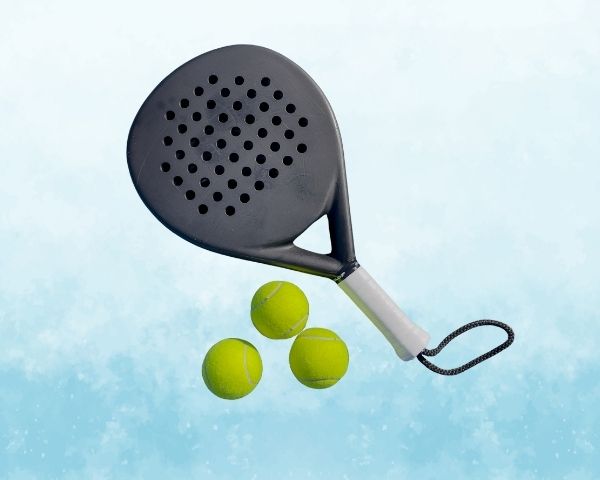
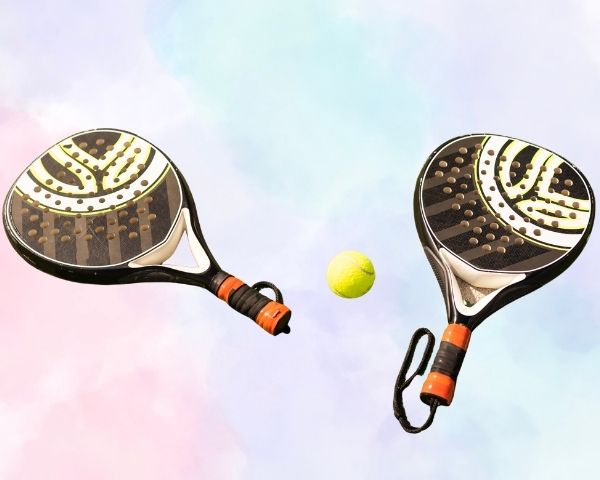
The padel court is enclosed and smaller than a tennis court. It uses walls like squash, and the gear includes a solid padel racket and a low-compression tennis ball.

Buy Padel Online:

  • Babolat Air Veron Padel Bat
  • Bolt 2025 Padel Tennis racket

And more…

What is Pickleball?

What is Pickleball

Origins of Pickleball

Born in the USA in the 1960s, pickleball was created as a fun backyard game using table tennis paddles and a plastic ball.

Core Rules and Gameplay

Pickleball is played with either two (singles) or four players (doubles). The game starts with an underhand serve, and there’s a non-volley zone (aka “the kitchen”) near the net to avoid smashes.

Court Setup and Equipment

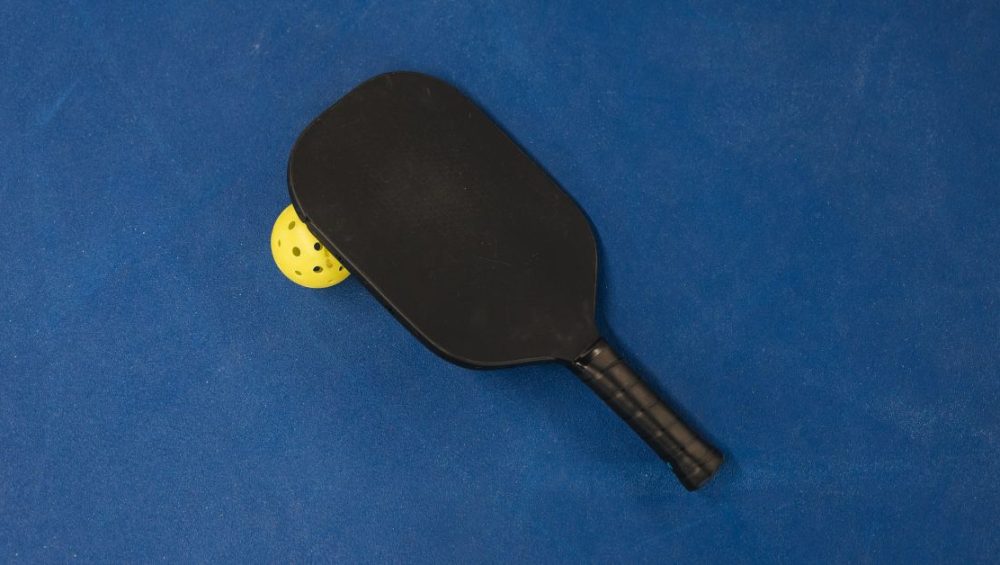
The court is about one-third the size of a tennis court. You’ll need a pickleball paddle and a perforated plastic ball.

Buy Pickleball Accessories:

  • Sanwei Red Pickleball Set
  • Franklin Tour Dynasty Pickleball racket
  • Radical Pro Head 

And many more…

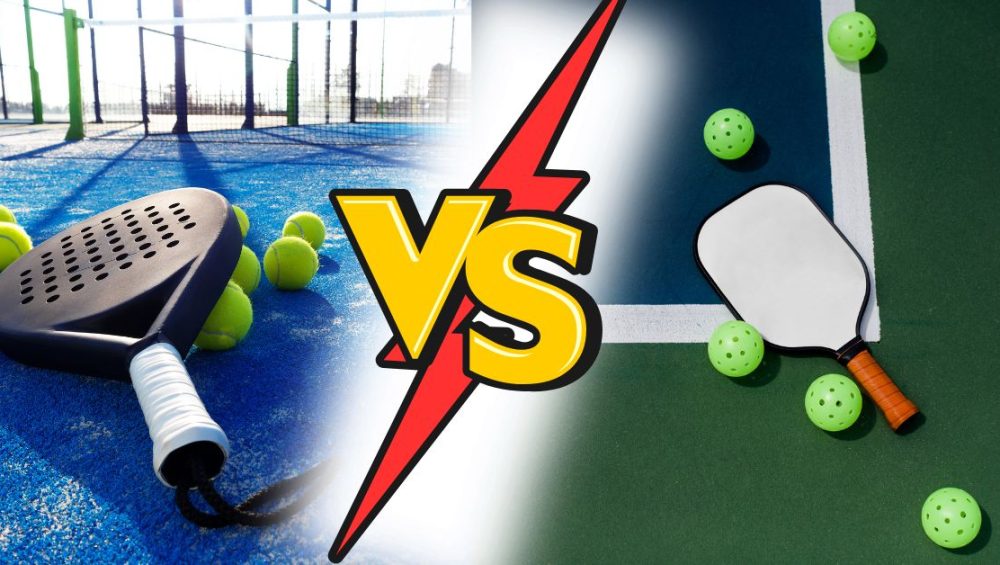
Key Differences Between Padel and Pickleball

Court Size and Structure

  • Padel: Enclosed court with walls, approx. 20m x 10m

  • Pickleball: Open court, 13.4m x 6.1m

Type of Ball Used

  • Padel: Pressurized tennis ball

  • Pickleball: Hard plastic ball with holes

Playing Equipment

  • Padel: Uses a stringless racket

  • Pickleball: Uses a solid paddle

Scoring System

  • Padel: Traditional tennis scoring (15, 30, 40)

  • Pickleball: First to 11 points, win by 2

Number of Players

  • Padel: Almost always doubles

  • Pickleball: Both singles and doubles are common

Playing Surface and Boundaries

court

  • Padel: Bounce off glass walls allowed

  • Pickleball: Ball must stay within court lines, no walls

Similarities Between Padel and Pickleball

Both sports are social, strategic, and loads of fun. They’re also:

  • Easier to learn than tennis

  • Often played in doubles

  • Great for all ages

Health and Fitness Benefits of Both Sports

Want to get fit without spending hours at the gym? These sports are your answer.

  • Cardio Boost: Constant movement keeps your heart rate up

  • Sharp Reflexes: Fast-paced gameplay enhances reaction time

  • Low-Impact: Less strain on joints compared to tennis or running

Which One is Easier for Beginners?

Pickleball wins here. The smaller court and lighter ball mean less running and easier coordination. That said, padel is a blast once you get the hang of wall bounces.

Which One Offers More Competitive Play?

If you’re all about fast volleys and insane angles, padel is more intense. But pickleball has a deep strategic layer too, especially at advanced levels.

Gear You Need to Get Started

gears

Padel Gear (Check out Caxton Sports)

  • Padel Rackets – Durable, lightweight, and designed for power

  • Shoes – With strong grip for quick lateral movements

  • Balls – Pressurized for ideal bounce

Pickleball Starter Kits

  • Paddle sets

  • Indoor and outdoor balls

  • Carry bags and accessories

Conclusion

Whether you’re smashing the ball off a wall in padel or dinking it across the net in pickleball, one thing’s clear—both sports are here to stay. The best part? You don’t need to pick one. Try both and see what serves your style best.

Ready to get started? Explore beginner-friendly padel rackets and pickleball paddles on Caxton Sports and gear up for your next match!

FAQs

  1. What’s more popular in India, padel or pickleball?
    Pickleball is gaining faster traction due to lower setup costs, but padel has a stronger fan base in metro cities.
  2. Can I use the same paddle for both sports?
    Nope! Padel uses a racket with different specs. Pickleball uses a solid paddle.
  3. Is padel harder than pickleball?
    Yes, slightly. Padel has more complex movements and wall bounces.
  4. Are both sports suitable for kids?
    Absolutely! Both sports are fun, safe, and great for physical development.
  5. Which sport burns more calories?
    Padel tends to burn more due to the larger court and intense rallies.